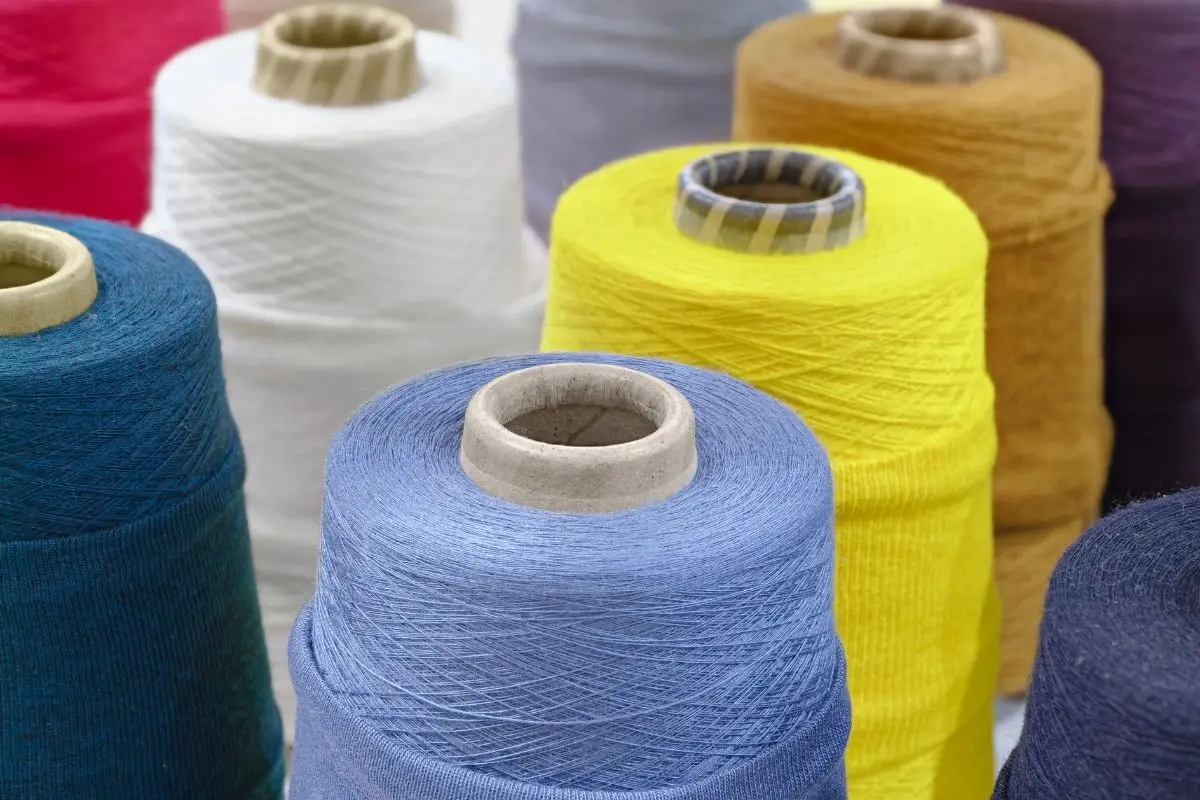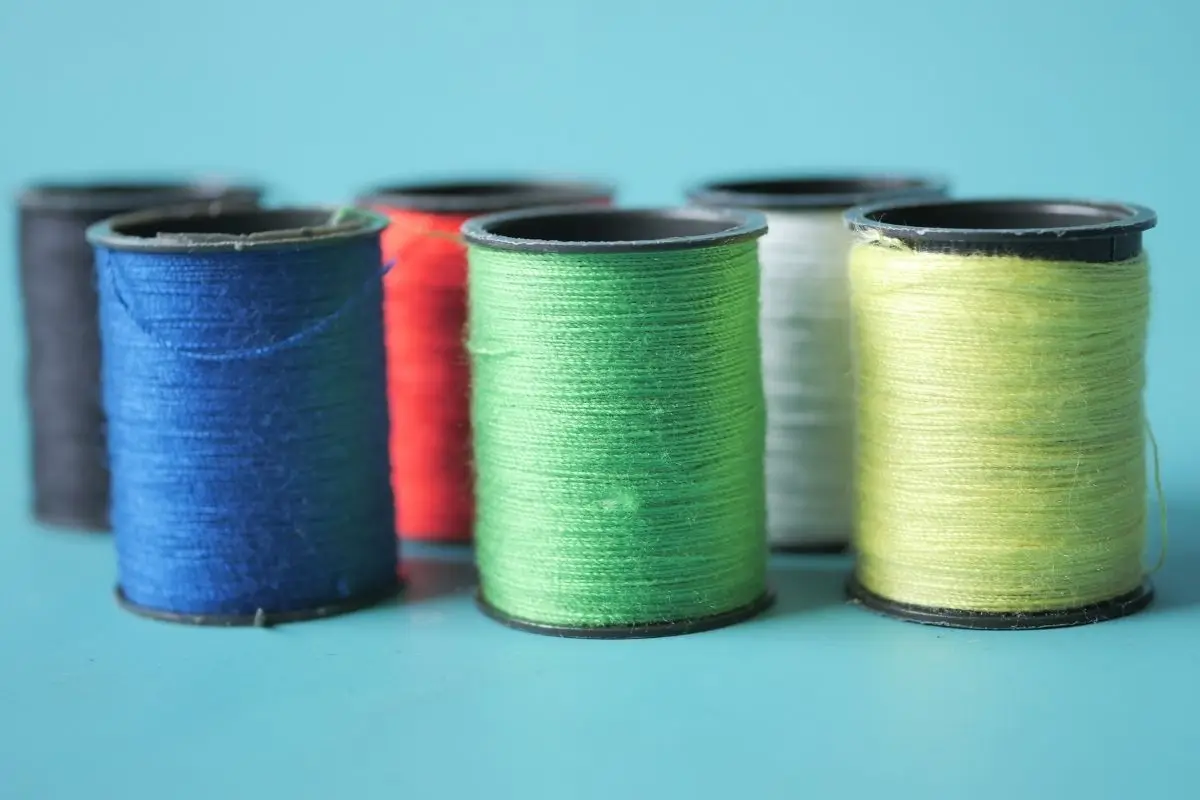
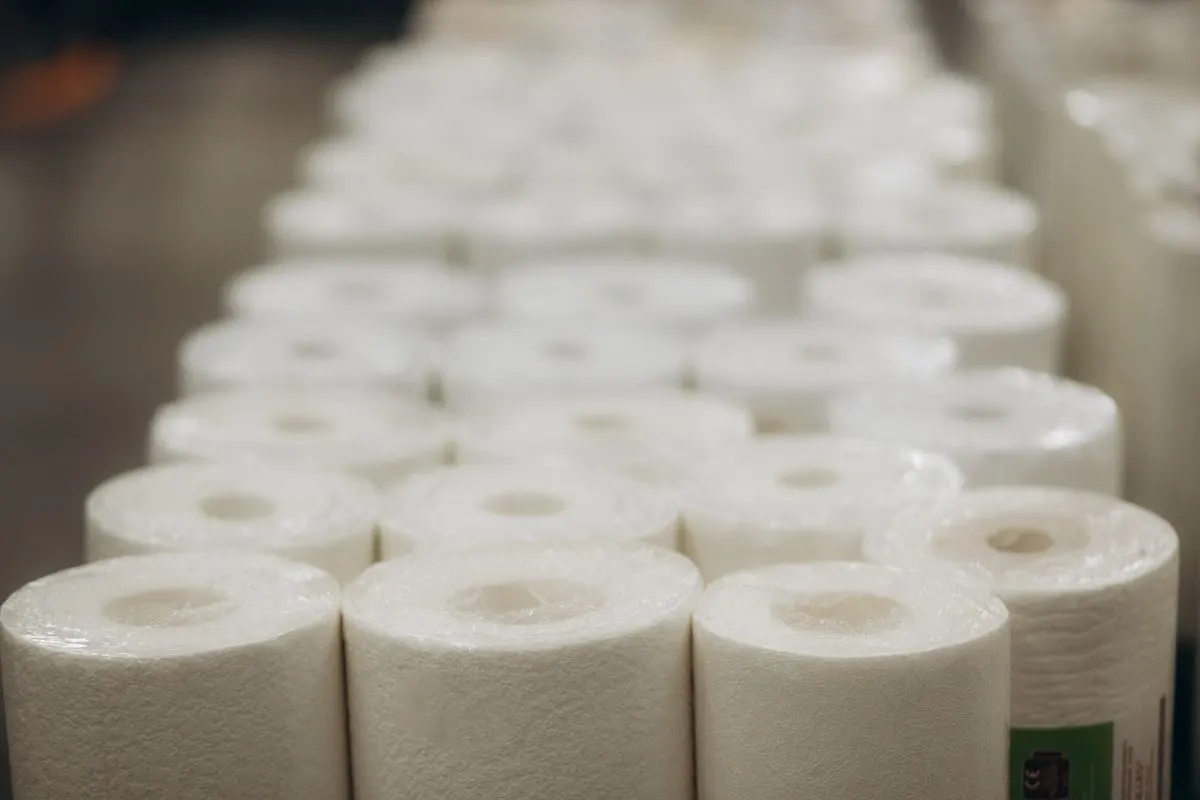
Polypropylene yarn is an important raw material with wide industrial applications. It is preferred for durable products due to its robust structure. For this reason, it is common in textiles for carpets, rugs, and upholstery. In this context, its lightness provides practical and economical solutions. It also plays a role in packaging, especially in sacks and similar products. In this way, it is used in greenhouse cultivation and viticulture. Additionally, its strength is advantageous in industrial applications. For this reason, it is applied in construction insulation and reinforcement. In this case, it suits automotive upholstery and side parts. It is also common in home textiles like curtains, carpets, and cushions. Its flexibility enables adaptation to various processes. As a result, it is preferred in sports equipment and outdoor products. It is also used in medical textiles and hygiene items.
Table of Contents
- Polypropylene Yarn Properties
- Is Polypropylene Yarn Healthy?
- Polypropylene Yarn Applications
- The Difference Between Polypropylene Yarn and Nylon Yarn
- Conclusion
- Frequently Asked Questions
Polypropylene Yarn Properties
Polypropylene yarn is a durable and economical material preferred in many industries. It also offers ease of use thanks to its lightweight structure. Therefore, it can provide practical solutions in different production areas. In this case, the flexibility of the yarn provides advantages in many applications. It is also resistant to water and moisture, making it suitable for outdoor use. In this way, the yarn’s resistance to decay and mold is important. Additionally, its high strength ensures long-term use. For this reason, it is safely used in textile products. In this case, the yarn is notable for easy dyeability. Furthermore, its recyclable structure supports sustainability. For this reason, it gains importance in eco-friendly production. In this case, its low cost benefits manufacturers. It also shows resistance to heat. Therefore, it is preferred in many industrial applications.

Is Polypropylene Yarn Healthy?
Polypropylene yarn is one of the most commonly used materials in modern textiles and industry. It also stands out for its lightweight structure and ease of use. For this reason, it is trusted in many different sectors. In this case, it is also a topic of interest in terms of health. In addition, polypropylene yarn does not contain chemicals that are harmful to human health. For this reason, it can be used safely. In this way, it is preferred in many textile products. The yarn has a low allergy risk. Therefore, it suits sensitive skin. In this case, it stands out with its hygienic structure. It is also moisture-resistant. Therefore, it prevents bacteria and mold. In this way, polypropylene yarn ensures long-term healthy use. It is also safe in food-contact areas.

Polypropylene Yarn Applications
Polypropylene yarn can be used in various fields thanks to its durability and lightweight structure. It also offers a wide range of applications in the textile industry. For this reason, it is preferred in the production of carpets, rugs, and upholstery fabrics. It also stands out in the production of sportswear and socks. In addition, the yarn can offer different solutions in the industrial field. For this reason, it is used in sacks, bags, and packaging materials. In this way, it has also gained importance in the agricultural sector.Polypropylene yarn is also used in horticulture and gardening. Therefore, it ensures long-lasting use with its strong structure. In this case, it is also preferred in medical textiles. It offers safe use in hygiene products. Therefore, healthy solutions are produced. In this way, it is also used in the food industry. It is also found in kitchen textiles and tablecloths.

The Difference Between Polypropylene Yarn and Nylon Yarn
Polypropylene yarn and nylon yarn can be evaluated based on their different properties. In addition, both yarns can be used in different sectors. Therefore, the area of use is important when making a selection. In this case, polypropylene yarn stands out with its lightweight structure. It also has low moisture absorption and dries quickly. Therefore, it offers advantages in hygiene products. In this way, it is preferred in medical textile applications. It can also be used in the agriculture and packaging industries. In this case, nylon yarn is known for its high strength. Additionally, its flexible structure ensures long-lasting use. For this reason, it is preferred in the sock and sportswear industries. It can also be used in the automotive and industrial sectors.

Conclusion
As a result, polypropylene yarn, which offers a wide range of uses from the textile industry to packaging products, stands out for its durability and lightness. In addition, its hygienic structure and recyclable properties make it an environmentally friendly solution. For this reason, it is an ideal choice for businesses operating in various fields. The question “Where is polypropylene yarn used?” can have different answers depending on the needs of the industry. Polypropylene yarn can be used in many areas, from sportswear to medical textiles. In this case, the answer to “Where is polypropylene yarn used?” covers both daily life and industry. Ultimately, polypropylene yarn offers advantages at every stage and will retain its value in the future. Therefore, the question “Where is Polypropylene Yarn Used?” remains important for both users and manufacturers.
Frequently Asked Questions
1. Where is polypropylene yarn used? Polypropylene yarn is used in textiles, carpets, packaging, agriculture, and medical products.
2. Is polypropylene yarn healthy? Yes, polypropylene yarn is considered skin-friendly thanks to its hypoallergenic properties.
3. How does polypropylene yarn differ from nylon? Polypropylene yarn is lighter and does not absorb moisture, which distinguishes it from nylon.
4. Is polypropylene yarn water-resistant? Yes, polypropylene yarn does not absorb moisture and is water-resistant.
5. Is polypropylene yarn recyclable? Yes, polypropylene yarn is environmentally friendly and recyclable.
6. What are the prominent features of polypropylene yarn? It stands out for its lightness, durability, affordability, antibacterial properties, and flexibility.
7. Why is polypropylene yarn preferred in textiles? It is also preferred in textiles due to its flexibility, durability, and skin-friendly structure.
8. Is polypropylene yarn suitable for outdoor use? It is suitable for outdoor use thanks to its UV-resistant production.
9. Is polypropylene yarn hygienic? Yes, it can be safely used in areas requiring hygiene thanks to its antibacterial structure.
10. Does polypropylene yarn harm the environment? It can be used without harming the environment thanks to its recyclability.