
Polypropylene yarn prices are an important parameter in the textile industry. Prices may also fluctuate depending on global market conditions for raw materials. Therefore, manufacturers must regularly monitor price movements. Furthermore, polypropylene yarn prices are directly affected by petroleum-based costs. In this case, prices may rise in parallel with increases in energy costs. For this reason, industry players can make flexible plans against price fluctuations. In addition, polypropylene yarn prices can be determined according to the balance of supply and demand. In this way, it is considered normal for prices to vary seasonally. Furthermore, price levels may vary according to quality. In this case, high-strength yarns may be priced higher than standard yarns. Therefore, buyers can perform price analyses when selecting products that suit their needs. Additionally, polypropylene yarn prices may also be affected by import and export policies.
Table of Contents
- Polypropylene Yarn Raw Material
- Polypropylene Yarn Properties
- Polypropylene Yarn Manufacturers
- Polypropylene Yarn Production
- Conclusion
- Frequently Asked Questions
Polypropylene Yarn Raw Material
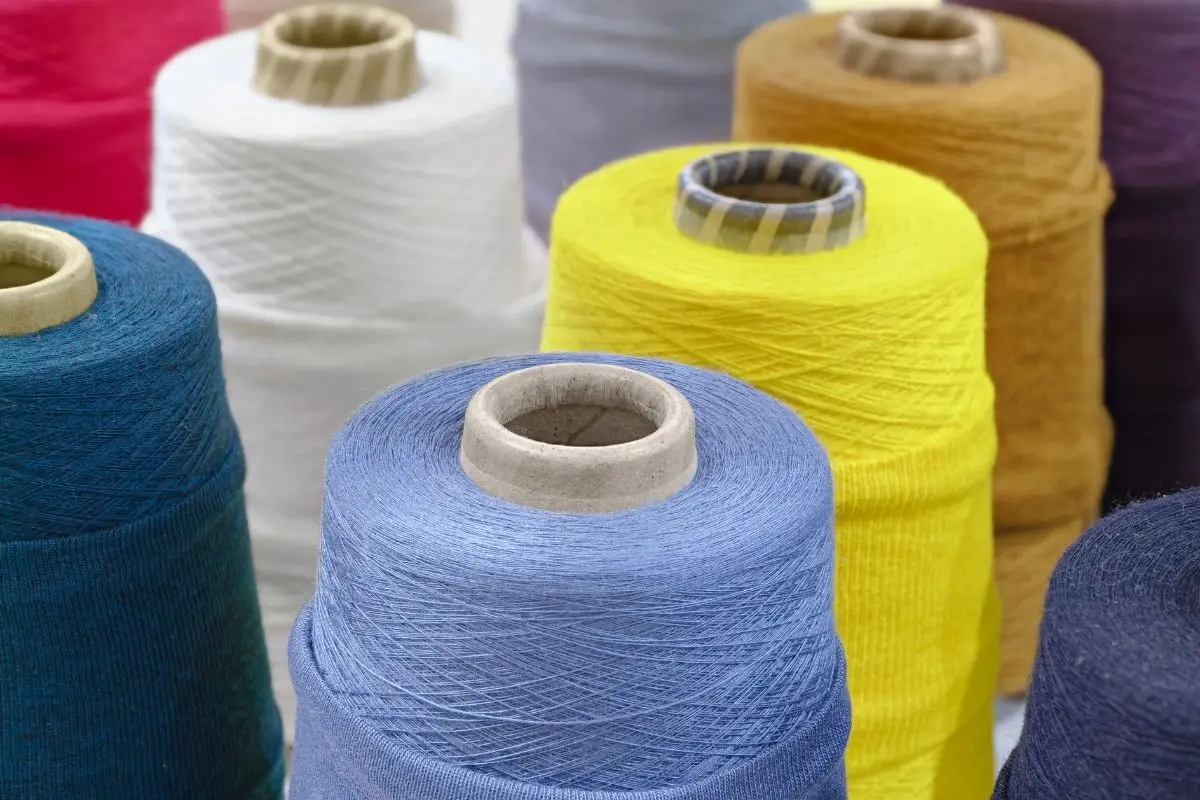
Polypropylene yarn raw material is widely used in textile and industrial production. This raw material also stands out for its high durability and lightweight structure. For this reason, polypropylene yarn raw material can be preferred in different sectors. In addition, polymerization methods are used in the production process, and granules can be turned into yarn. In this case, the yarns can offer advantages in terms of strength and longevity. Furthermore, the recyclability of the raw material provides an environmentally friendly option. Polypropylene yarn contributes to sustainable production with chemical resistance and durability. It can be used in humid, harsh environments and offers economic advantages due to low cost. Polypropylene yarn prices are critical for textile competition. Its high color retention ensures bright, lasting colors, while its hygienic structure supports use in food and medical textiles, expanding its applications.
Polypropylene Yarn Properties
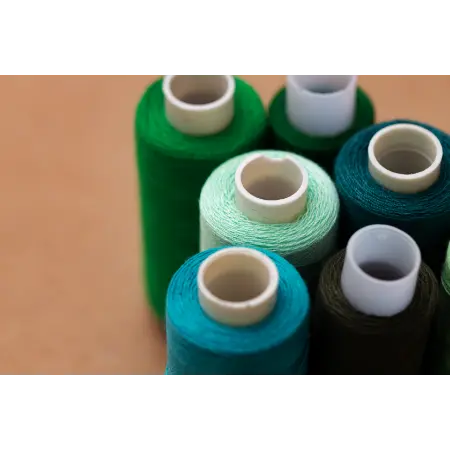
Polypropylene yarn properties are preferred qualities in textile and industrial applications. In addition, the yarns can provide long-term use thanks to their high strength properties. Therefore, durability can make polypropylene yarn indispensable in many sectors. Furthermore, the lightweight structure of the yarns offers ease of transport and use. In this case, the products can play a role in increasing efficiency in various production areas. Also, the advantage of moisture resistance stands out among the properties of polypropylene yarn.Polypropylene yarns provide safe use in hygienic applications with strong chemical resistance. They maintain performance in harsh environments and offer shiny, aesthetic surfaces due to high color retention. Their recyclable structure supports environmental sustainability, while low cost creates economic advantages.
Polypropylene Yarn Manufacturers
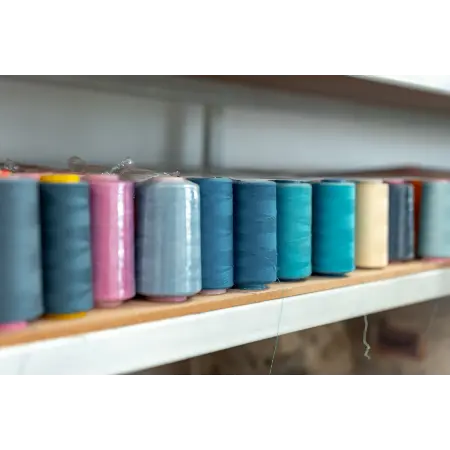
Polypropylene yarn manufacturers play an important role in the textile and industrial sectors. In addition, manufacturers can develop various types of yarn for different applications. Therefore, fast and flexible solutions can be offered to market demands. Furthermore, polypropylene yarn manufacturers can achieve high-quality production using modern technologies. In this case, the products can meet expectations in terms of durability and performance. Furthermore, manufacturers can prioritize sustainable production processes. Consequently, environmentally conscious yarns can stand out in the market. Additionally, polypropylene yarn manufacturers can create a competitive advantage in the global market. In this way, export activities can increase rapidly. Furthermore, manufacturers can expand their product portfolio with innovative solutions. This allows them to meet the needs of different sectors. Polypropylene yarn manufacturers also attach great importance to quality control processes. This ensures that products comply with standards. Manufacturers can also offer customized solutions to meet customer demands.
Polypropylene Yarn Production
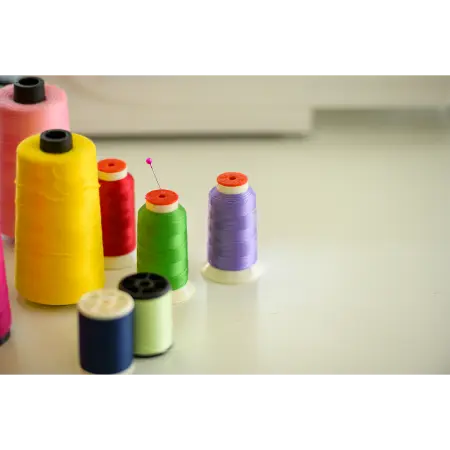
Polypropylene yarn production is one of the important processes widely used in the textile industry. Production can also be carried out by melting polypropylene granules and turning them into fibers. Therefore, the machines used in the process may be high-tech. In addition, polypropylene yarn production can achieve high efficiency with continuous extrusion methods. In this case, production costs can be reduced. Quality control steps are also of great importance during production. For this reason, yarns can be subjected to strength and durability tests. Polypropylene yarn production can also be carried out in different deniers and colors. In this way, the needs of various sectors can be met. The additives used in production can also improve yarn properties. Therefore, products can gain advantages such as chemical resistance and brightness. Furthermore, polypropylene yarn production can be carried out using environmentally friendly methods. In this case, recycling processes can also be implemented.
Conclusion
As a result, polypropylene yarn is significant in the industry due to its durability, lightness, and affordability. Additionally, polypropylene yarn prices may vary depending on global market conditions for the raw materials used in the production process. Therefore, polypropylene yarn prices can be directly affected by exchange rates and energy costs. Furthermore, prices may fluctuate according to increases in demand and supply constraints. In this case, manufacturers may have to carefully plan their costs. Polypropylene yarn prices are also decisive in export markets. Therefore, buyers can conduct regular analyses to gain a competitive price advantage. Furthermore, maintaining prices at sustainable levels is critical for the sector’s growth. This enables a strong position to be achieved in both local and global markets. Monitoring prices is also important for supply chain management.
Frequently Asked Questions
What is polypropylene yarn raw material? It is a lightweight, durable, and environmentally friendly raw material produced from polypropylene polymers.
What are the types of yarn? There are cotton, polyester, polypropylene, nylon, wool, and viscose yarns.
Who are the Polypropylene Yarn Manufacturers? They are manufacturers with modern facilities that produce yarn suitable for different sectors.
How is Polypropylene Yarn produced? Granules are melted, turned into fibers, and produced by extrusion.
What factors affect Polypropylene Yarn Prices? They vary according to raw material, exchange rate, and energy costs.
Where is polypropylene yarn used? It is used in textiles, packaging, carpet backing, and industrial applications.
Is polypropylene yarn environmentally friendly? It is an environmentally friendly type of yarn due to its recyclable nature.
Are polypropylene yarn prices fixed? No, they can change regularly depending on market conditions.
Are there color options for polypropylene yarn? Yes, it can be produced with bright and durable color options.
How do polypropylene yarn prices affect exports? Competitive prices provide an advantage in export markets.