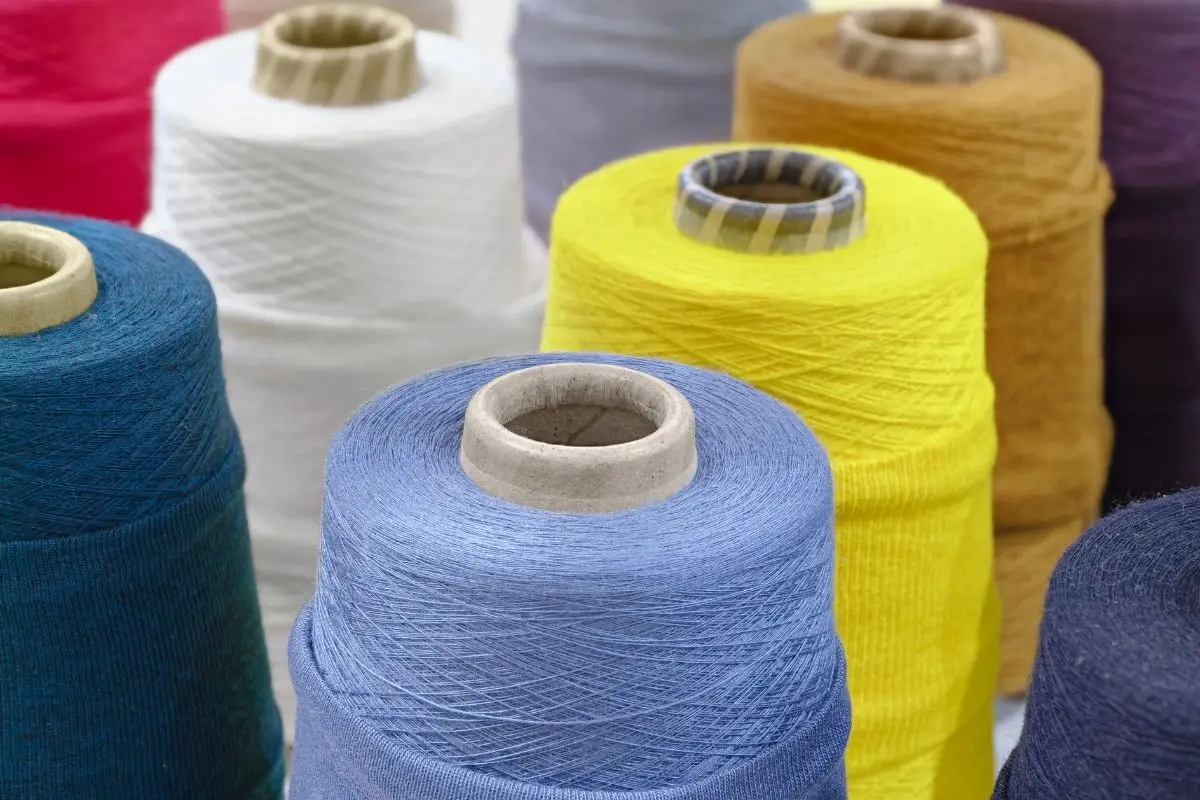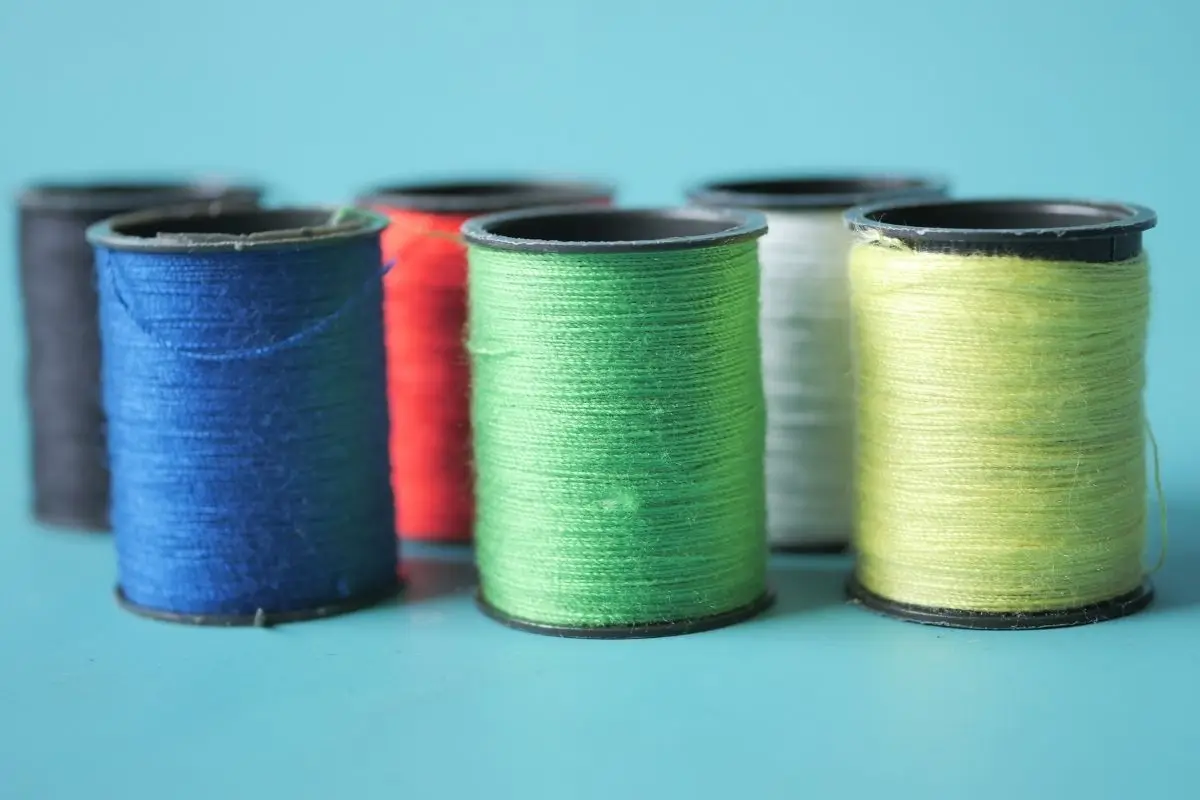
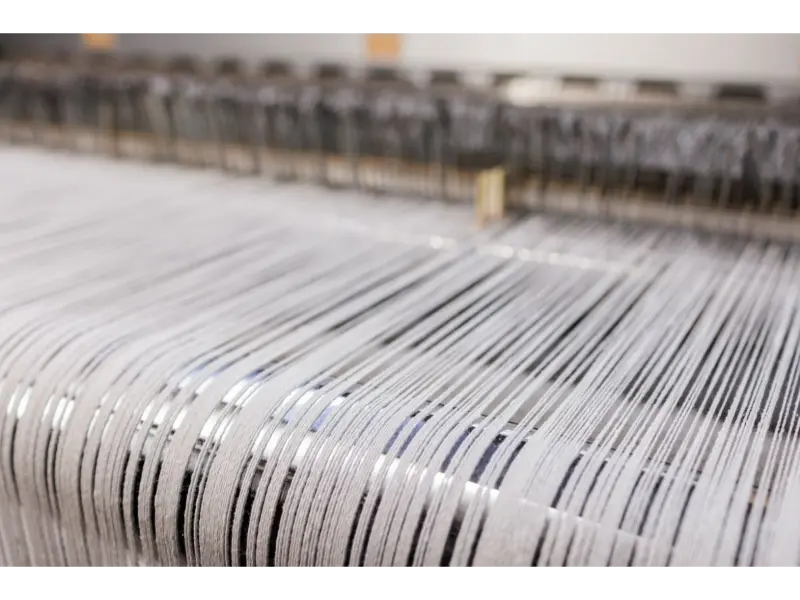
Polypropylene yarn is preferred in many sectors thanks to its lightness and durability. Therefore, it is frequently used in textile and packaging industries. In addition, its low moisture absorption prevents humidity effects. Thus, it suits outdoor use. In this case, it’s common in carpet bases and sacks. It also offers high resistance to chemicals. Therefore, it is safely preferred in industrial applications. In this way, it provides long-lasting and economical solutions.It is also resistant to sunlight thanks to UV stabilization. Thus, it performs well outdoors. In addition, its recyclability ensures eco-friendly usage. Hence, it’s favored by green brands. It can also be produced in various thicknesses. Therefore, custom solutions fit different needs. This way, it meets technical and visual demands.
Table of Contents
- Polypropylene Yarn Types
- Polypropylene Yarn Prices
- Polypropylene Yarn Raw Material
- Polypropylene Yarn Properties
- Polypropylene Yarn Producing Companies
- Conclusion
- Frequently Asked Questions
Polypropylene Yarn Types
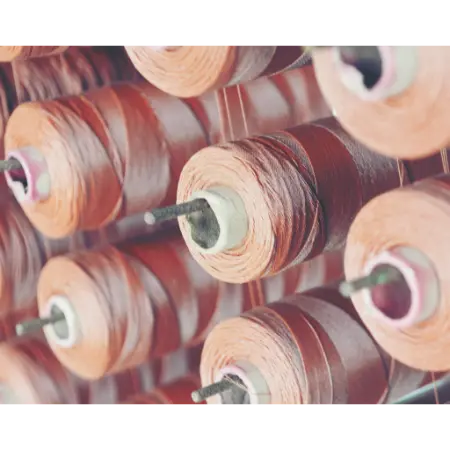
Polypropylene yarn types are produced with different properties according to their usage areas. Therefore, it has a wide range in numerous sectors. Also, plain (fibrillated) and textured types are among the most common. In this way, it responds to both aesthetic and technical needs. In this case, it is frequently used in the production of carpets, sacks and packaging. Furthermore, multifilament yarns offer a soft and flexible structure. Therefore, they are easily preferred in textile products. In this way, it provides advantages in sportswear and home textiles. Also, monofilament yarns offer high strength. Thus, they suit industrial applications well. Furthermore, UV-doped types resist sunlight. Therefore, they’re ideal for outdoor use. In this way, they serve agriculture and construction safely. Also, their paintable structure provides visual flexibility. Hence, they appeal to design-focused manufacturers.
Polypropylene Yarn Prices
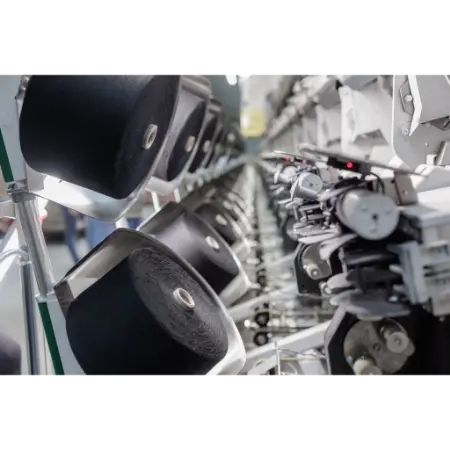
Polypropylene yarn prices vary depending on many factors. Therefore, raw material costs directly affect prices. In addition, yarn type and quality are key factors. Thus, plain, textured or monofilament differ in price. In this case, budget should match the intended use. Furthermore, the order quantity plays a decisive role in pricing. Therefore, the unit cost can be reduced in wholesale purchases. In this way, manufacturers can gain a competitive price advantage. Moreover, import and export conditions may affect the price. In this case, exchange rate fluctuations should be taken into account. Moreover, additives used in yarn can increase the cost. Therefore, products with UV additives or antistatic properties may be more expensive. In this way, price should be evaluated together with technical specifications. Moreover, market demand can lead to seasonal fluctuations.
Polypropylene Yarn Raw Material
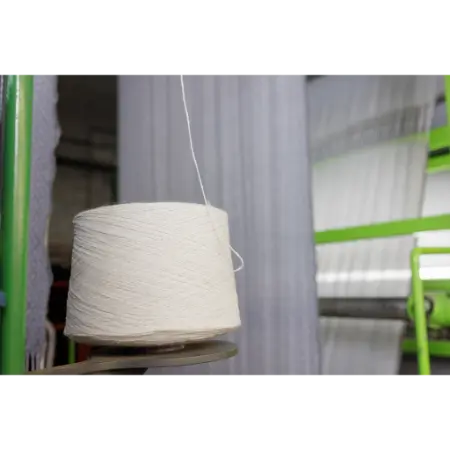
Polypropylene yarn raw material is derived from polypropylene, a petroleum-derived polymer. Therefore, it shows thermoplastic properties and has high durability. It also offers lightweight products thanks to its low density. In this way, it is widely preferred across sectors. Textile and packaging come first. In addition, it offers high chemical resistance. Therefore, it can be used without being affected by moisture and chemicals. In this way, it shows resistance to harsh environmental conditions. In addition, polypropylene is an easy-to-process raw material. Therefore, it saves energy in yarn production. This positively affects production costs. In addition, its recyclable structure offers environmental benefits. Thus, it supports sustainability goals. It also holds dye well during coloring. Therefore, vivid and lasting colors are possible. Hence, it is preferred in decorative and technical textiles.
Polypropylene Yarn Properties
Polypropylene yarn properties include technical and physical qualities that determine its uses. Therefore, it offers ease of transportation and processing thanks to its light weight. Furthermore, its high strength supports durable product manufacturing. Polypropylene yarn ensures long-lasting use and is preferred in textile and packaging. Its non-absorbent structure enables quick drying, ideal for outdoor use, carpets, and sportswear. It resists chemicals, staying safe in industrial and hygienic applications. With antistatic additives, it also provides safety in electrical uses.
Polypropylene Yarn Producing Companies
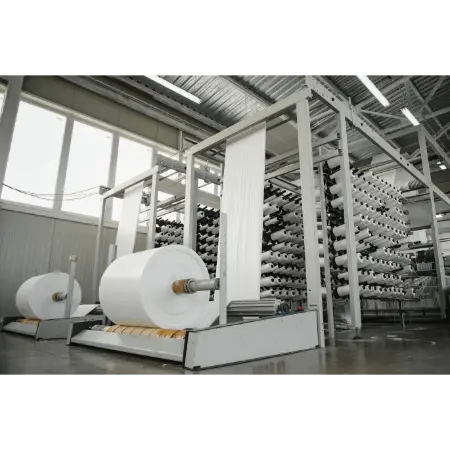
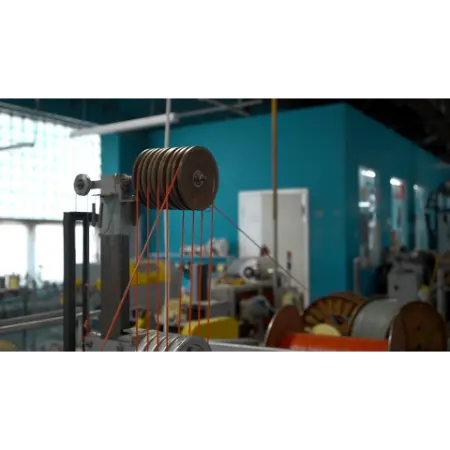
Companies producing polypropylene yarn offer quality solutions for textile and industry. Therefore, high durability and flexibility are prioritized in production. In addition, production lines equipped with modern technologies are used. This ensures homogeneous and standardized yarn production. Sector demands are met quickly, with eco-friendly production targeting sustainability. Product ranges expand with yarns in various thicknesses and colors. Quality control ensures customer satisfaction, boosting competitiveness in local and global markets. Companies also accept special orders.
Conclusion
Companies producing polypropylene yarn have gained an important place in the sector.In addition, quality production and customer satisfaction are prioritized. Companies build long-term collaborations with product variety and flexibility. Eco-friendly approaches support sustainability and efficient production in modern facilities. Polypropylene yarn producers invest in innovation, ensuring strong global competitiveness with high-quality, durable, functional products.
Frequently Asked Questions
Does yarn affect fabric quality? Yes, the type, quality and twist of the yarn determines the durability and texture of the fabric.
What is the basic raw material of polypropylene fiber? The basic raw material is polypropylene (PP) polymer derived from propylene monomer.
Where is polypropylene yarn used? It is used in many areas such as ropes, sacks, carpet backing, medical textiles, filters, sportswear.
What are the types of polypropylene fiber? It is produced in various forms such as filament, texturized, monofilament and fibrillated yarn.
Is polypropylene yarn water resistant? Yes, it does not absorb water; therefore it provides advantages in humid environments.
How is the heat resistance of polypropylene fiber? It shows limited resistance to heat due to its low melting point.
What do polypropylene fiber prices vary according to? It varies according to quality, yarn type, quantity, color and production technique.
Is polypropylene thread recyclable? Yes, it can be recycled with environmentally friendly production processes.
How should companies producing polypropylene fiber be selected? Quality certificates, production capacity and customer references should be taken into consideration.
What are the advantages of polypropylene fiber? Lightness, low cost, chemical resistance and environmental compatibility are the main advantages.