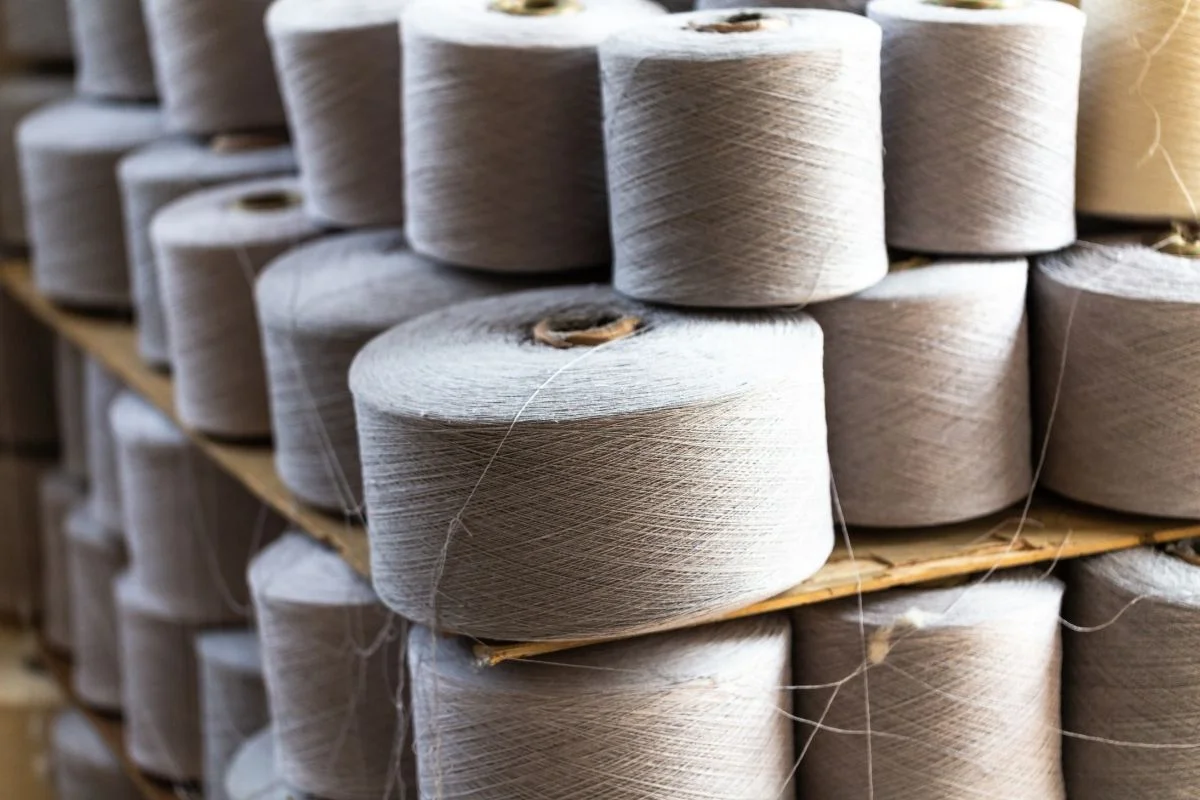
The question of where polypropylene is used is important to understand the uses of this common thermoplastic material. Therefore, polypropylene is preferred in many sectors. It is also used in interior trim parts and bumpers in the automotive industry. In this way, both lightness and durability are achieved. It is also preferred for carpet backing and nonwoven fabrics in the textile industry. In this case, a cost-effective and durable structure is obtained. It is also used in the production of films, caps and bottles in the packaging industry. Therefore, it offers advantages in terms of product protection and flexibility.It is also used in white goods and electrical appliances, providing heat resistance and insulation. In medical products like injectors, syringes, and sterile packaging, it ensures hygiene and chemical resistance. Additionally, it is widely used in laboratory tools and household items.
Table of Contents
- Is Polypropylene Yarn Healthy?
- Is Polypropylene Harmful?
- Polypropylene Manufacturers
- Polypropylene Yarn Uses
- Conclusion
- Frequently Asked Questions
Is Polypropylene Yarn Healthy?
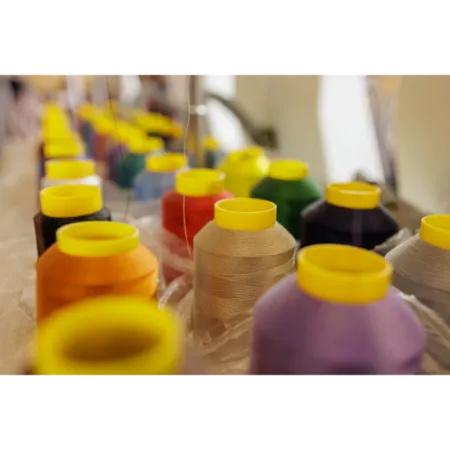
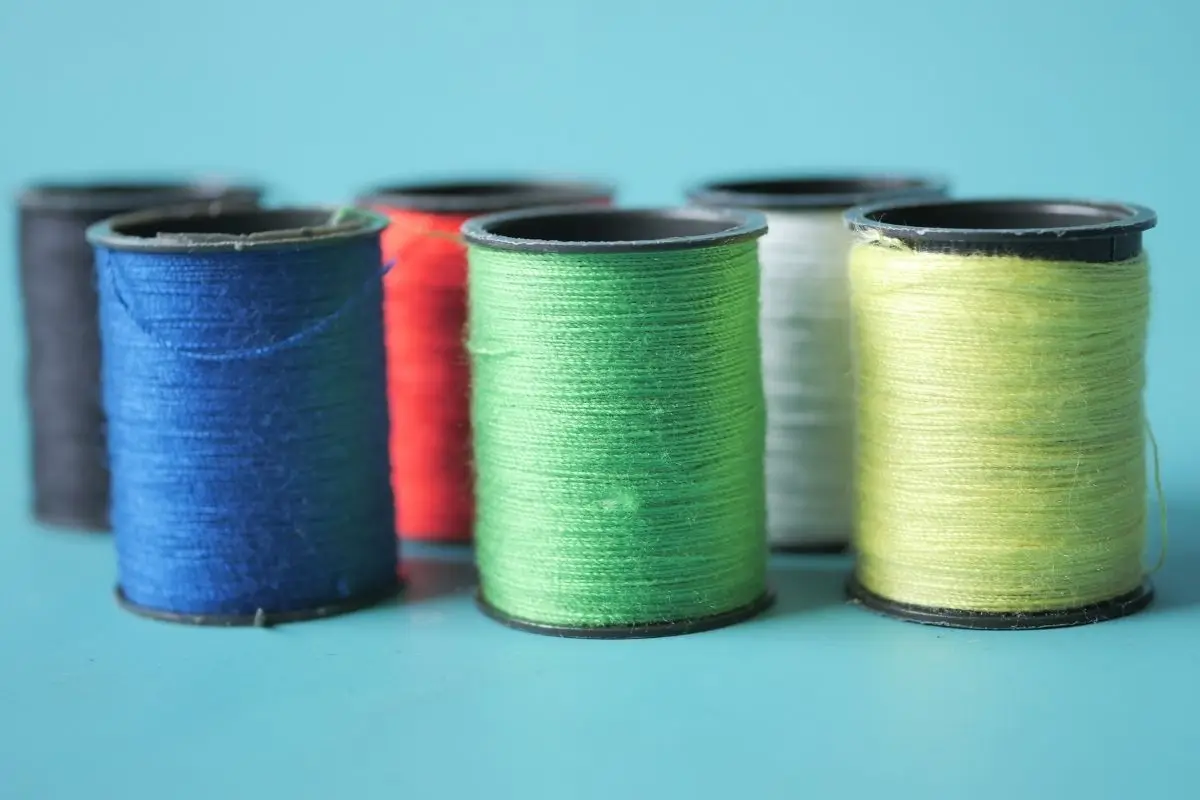
Polypropylene yarn is a frequent choice for textile products. Therefore, the structural properties of polypropylene should be carefully evaluated. In addition, polypropylene yarn is recognized as a hypoallergenic material. In this way, it minimizes the risk of allergy in contact with the skin. It is also resistant to the growth of bacteria and mold. In this case, it can be used safely in environments that require hygiene. In addition, it is suitable for health as it does not release toxic substances. Therefore, it can also be preferred in medical and baby textiles. In addition, it does not retain moisture due to its sweat-repellent structure. Thus, it prevents bacterial growth. In addition, its antistatic feature repels dust and ensures easy cleaning. This provides an advantage for sensitive skin.
Is Polypropylene Harmful?
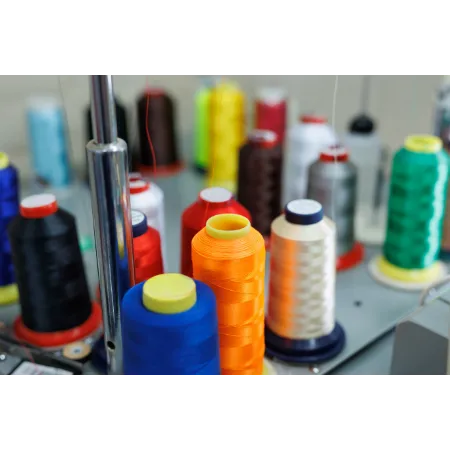
Polypropylene is of concern for both health and the environment. Therefore, the chemical structure of the material and the way it is used should be evaluated. Furthermore, polypropylene is considered an inert type of plastic. As such, it doesn’t release harmful substances during normal use and stays stable at low temperatures, making it safe for food packaging. It also does not contain harmful additives such as BPA. Therefore, it is classified as a safe material in many countries. It also has a very low risk of emitting toxic gases. As such, it poses no risk for domestic use. Furthermore, polypropylene is a recyclable material. In this case, its environmental impact can be reduced.Moreover, its use in baby products shows its reliability. Therefore, usage purpose and quality standard matter. In addition, direct heat exposure may damage its structure. In this case, potential harm may arise.
Polypropylene Manufacturers
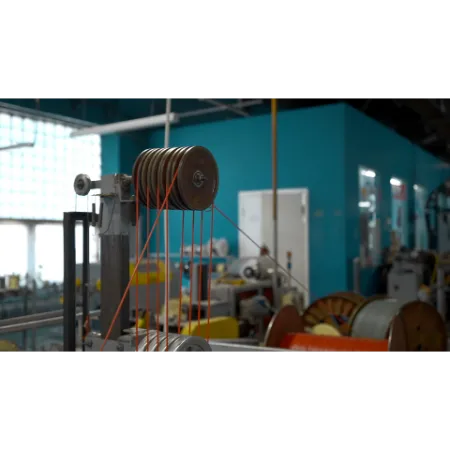
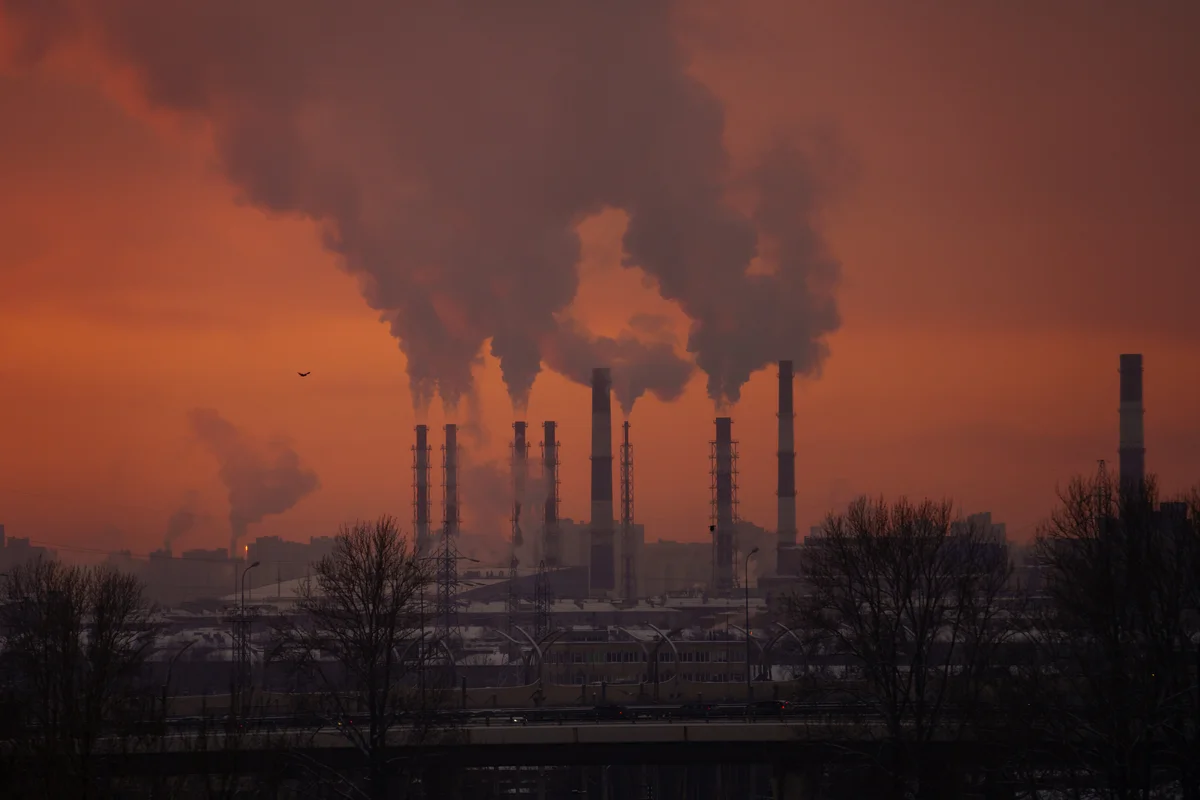
Polypropylene producers are important actors that shape the raw materials of different sectors around the world. Therefore, production capacity and product quality are of great importance.In addition, polypropylene with high purity is produced in petrochemical plants. Thus, it is used in textiles, packaging, and automotive. Also, granule-form polypropylene is processed into yarn, film, or sheet. In this way, it serves multiple industries with compatible end products. Therefore, the desired performance can be achieved in technical applications. In addition, eco-friendly technologies reduce carbon emissions and energy use. This provides both economic and environmental benefits.
Polypropylene Yarn Uses
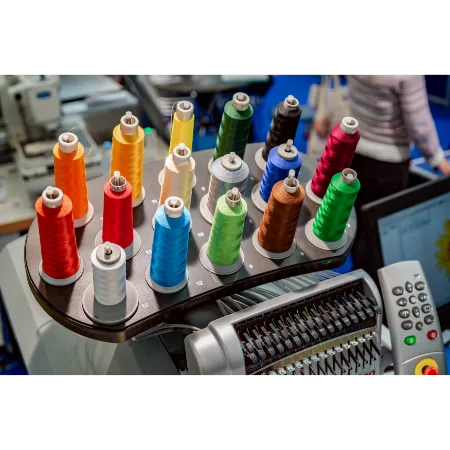
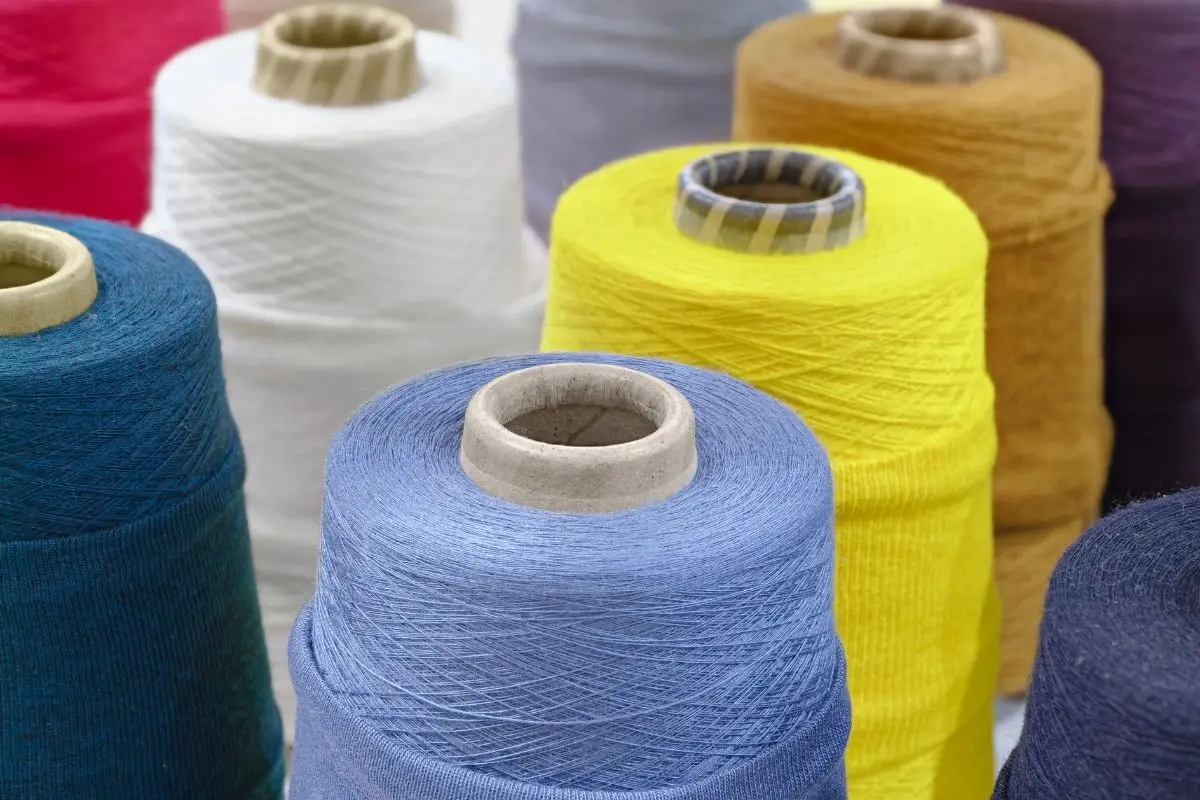
Polypropylene Yarn Usage Areas are quite wide thanks to the lightness and durability of the product. Therefore, it offers practical solutions in different sectors. It is also frequently preferred in nonwoven fabric production. In this way, it is used in products such as medical gowns, masks and cloths. It also provides the advantage of lightness in sportswear and underwear. It is also widely used in carpet backing and floor covering systems. Therefore, it offers a structure resistant to abrasion. It is also frequently used in the production of sacks, ropes and ropes. In this way, it contributes to the agriculture and packaging sectors. It is also preferred in filter fabrics and insulation products. In this case, it offers effective solutions for technical textiles. In addition, polypropylene yarn repels water and suits outdoor use. Moreover, antistatic and antibacterial additives enable special product options.
Conclusion
The question of where polypropylene is used reveals the prevalence of this versatile material. For this reason, it appears in many areas from textiles to packaging, from automotive to medical products. It is also preferred in technical applications thanks to its durability and lightness. In this way, it offers economic and functional solutions in different sectors. In addition, it is among the environmentally friendly alternatives with its recyclable structure. The question of Where to Use Polypropylene covers both industrial and daily use areas. In this way, production costs are reduced while maintaining the quality standard. In addition, polypropylene products enriched with special additives meet different needs. Where to Use Polypropylene forms the basis of sustainability and performance-oriented material selection.
Frequently Asked Questions
What is polypropylene? Polypropylene is a petroleum-derived thermoplastic polymer. It is a lightweight, durable and economical material.
Is polypropylene harmful? No, it is generally non-toxic, BPA-free and suitable for food contact.
Is polypropylene yarn healthy? Yes, polypropylene yarn is hypoallergenic, bacteria-free and skin-friendly.
Where is polypropylene used? It is used in many areas such as packaging, textiles, automotive, medical products, carpet backing, insulation and agriculture.
In which products is polypropylene yarn preferred? Nonwoven fabric, sportswear, underwear, filter fabrics, sacks, ropes and carpets.
Is polypropylene recyclable? Yes, polypropylene is 100% recyclable and is an environmentally friendly raw material.
Does polypropylene degrade with heat? It can soften or change shape at high temperatures, so care should be taken with the conditions of use.
Is polypropylene water resistant? Yes, polypropylene is water repellent and does not retain moisture.
Does polypropylene yarn have antistatic properties? When produced with additives, it can gain antistatic and antibacterial properties.
Why is the question of where is polypropylene used so important? Because choosing the right material increases production efficiency and reduces environmental impact.