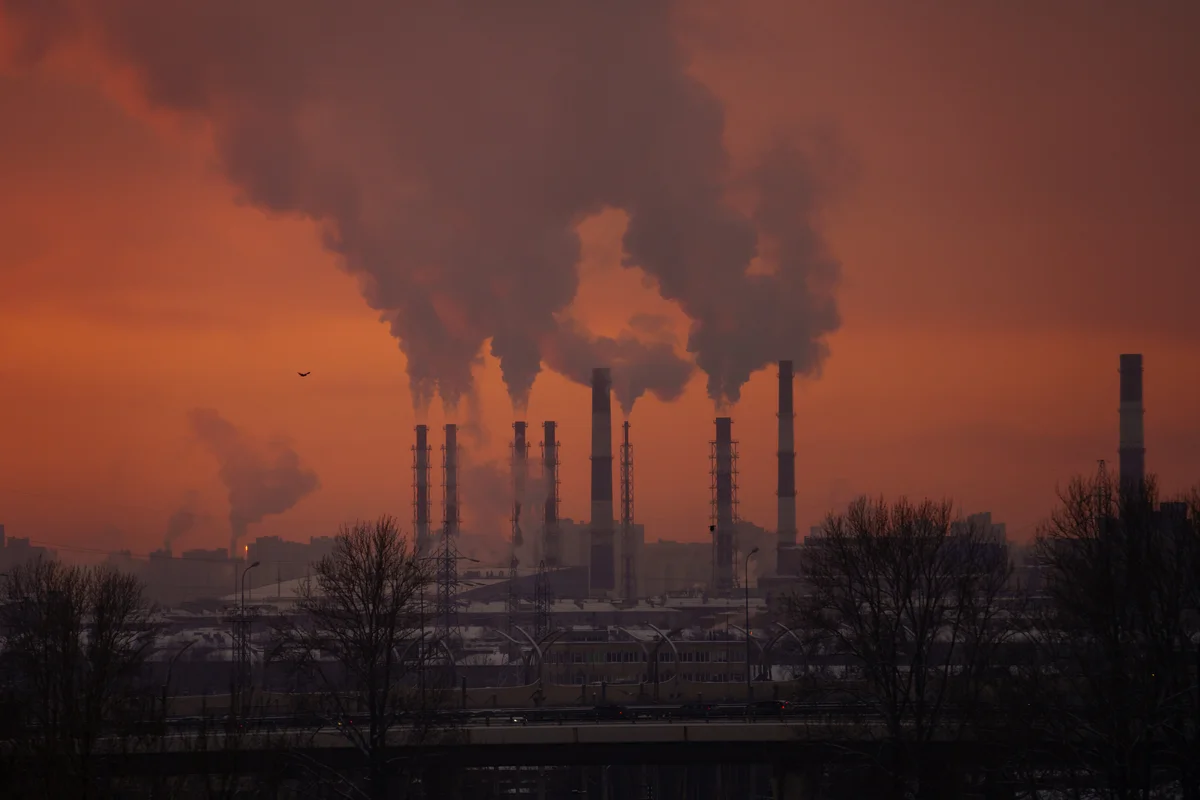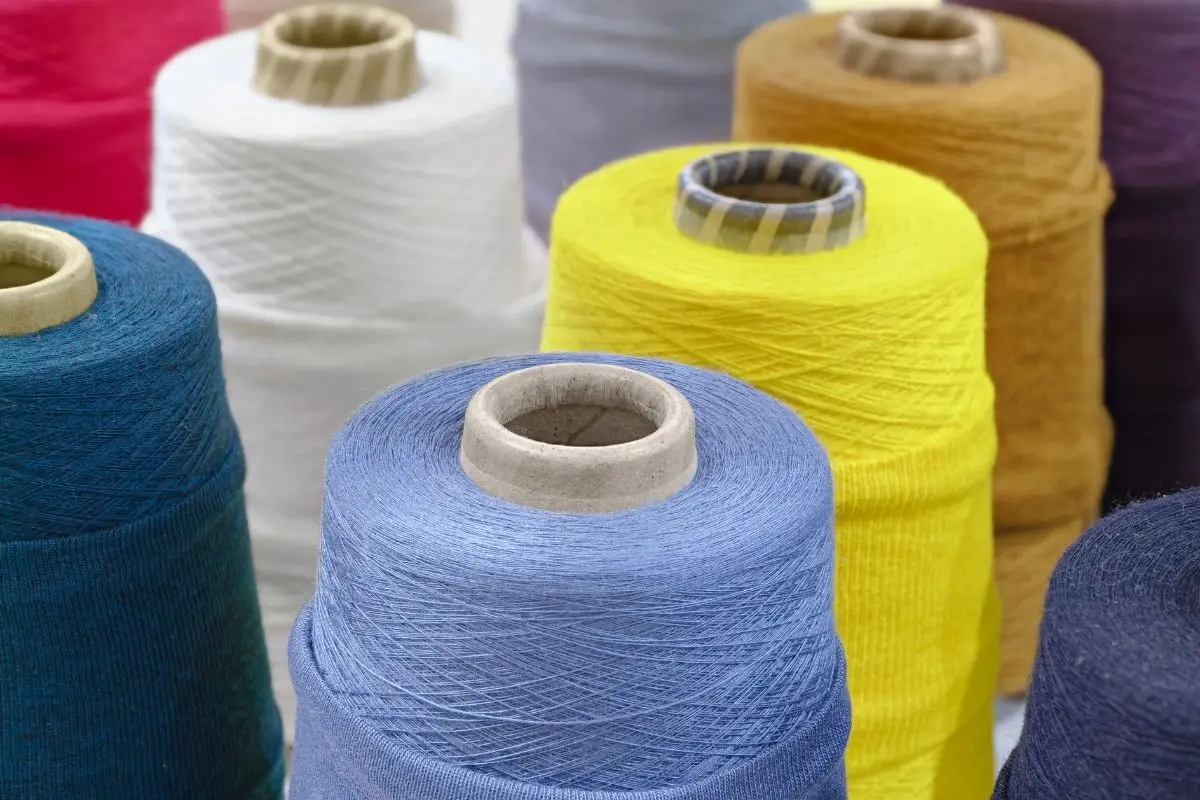
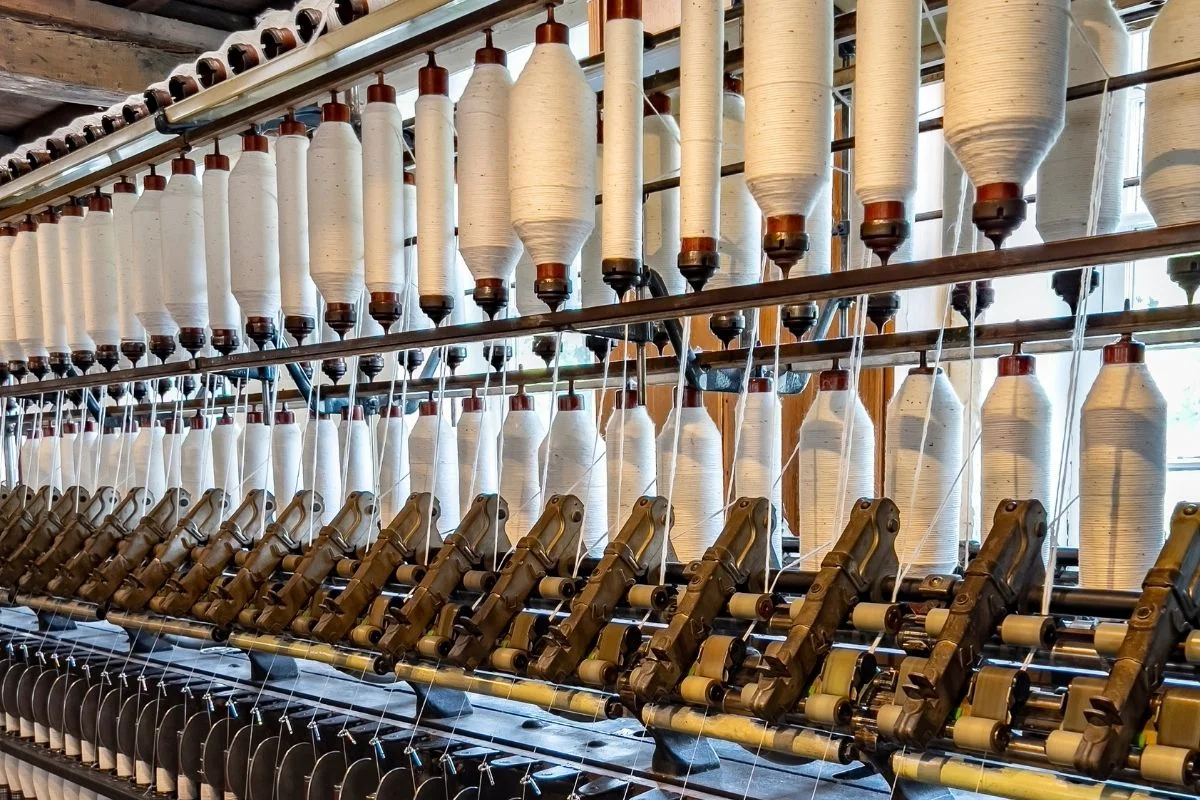
The textile industry is one of the most intensive sectors in terms of water consumption. Approximately 79 billion cubic meters of water is used annually. This amount is expected to increase to 120 billion cubic meters in 2030. In addition, the production of one pair of jeans requires about 7,500 liters of water. This is equivalent to 7 years of drinking water for one person. Therefore, water consumption is of great importance in textile production. In addition, chemicals used during textile processes cause water pollution. This increases environmental impacts. In this case, innovative solutions such as waterless dyeing technologies gain importance. In addition, water can be recovered through wastewater treatment systems. Therefore, water saving techniques should be applied. In this way, reducing water use minimizes environmental impact. In this case, water management is critical for sustainability in textiles. Also, conscious consumer choices support this process.
Table of Contents
- Sustainable Solutions
- Less Water Use
- Recycling Polyester
- Thirsty Painting Technologies
- Environmental Impacts of Water Consumption in Textile Industry
- Conclusion
- Frequently Asked Questions
Sustainable Solutions

Sustainable solutions are among the most important needs of today. In addition, the concept of environmentally friendly production is gaining more importance day by day. For this reason, the use of recyclable materials provides a great advantage. In this way, contributing to natural resource protection becomes possible.
Additionally, energy-efficient systems lower long-term costs. In this case, the environment is protected and costs are reduced.Therefore, reducing the carbon footprint should be adopted as the main goal. In addition, sustainable products attract the attention of conscious consumers. This ensures a strong and permanent position in the market. Therefore, environmentally friendly solutions create a significant competitive advantage. In addition, technologies that reduce environmental impacts are becoming the priority choice.
Less Water Use

Using less water is critical for environmental sustainability. In addition, the rapid depletion of water resources necessitates economical systems. Therefore, minimum water consumption should be targeted in production processes. In this way, both nature and budget benefit. Additionally, modern tech ensures high efficiency with less water. In this case, eco-friendly production becomes possible. For this reason, water recycling should be widespread in all areas. Additionally, drip irrigation boosts efficiency and cuts consumption. In this way, waste prevention protects resources. In this case, businesses better meet environmental duties. Additionally, water footprint tracking builds awareness. Therefore, all sectors must review consumption habits.Also, education should raise consumer awareness.
Recycling Polyester

Recycling polyester is one of the basic building blocks of environmentally friendly production. Additionally, plastic waste use reduces natural resource consumption. In this way, waste is reused and environmental harm is minimized. Also, recycled polyester maintains product quality.In this case, durability and environmental benefits come together. Therefore, the textile industry should use this material more. Additionally, consumers now prefer eco-friendly options. In this way, recycling awareness grows steadily. In this case, green production reaches more people. Recycled polyester also saves energy. Therefore, carbon emissions are reduced in production processes. In this way, it contributes to the fight against climate change.
Thirsty Painting Technologies

Waterless dyeing technologies offer revolutionary innovations in the textile industry. In addition, these systems completely eliminate the use of water. Therefore, environmental impacts can be minimized. In this way, nature is protected and efficiency improves. Additionally, chemical use drops significantly. In this case, wastewater issues are largely resolved. Therefore, traditional methods give way to innovative systems. Additionally, waterless dyeing uses less energy. In this way, carbon footprint is greatly reduced. This contributes to the fight against climate change. In addition, product quality can increase with waterless dyeing. Therefore, color durability becomes stronger. This also increases user satisfaction. In addition, fast production processes save time. In this case, businesses can increase their competitiveness. Therefore, waterless technologies are accepted as the production model of the future.
Environmental Impacts of Water Consumption in Textile Industry

Water consumption in the textile industry has serious consequences in terms of environmental impacts. In addition, excessive use of water in production processes can negatively affect ecosystems. Therefore, the conscious use of water resources is of great importance. In this way, environmental damage is minimized. Additionally, untreated wastewater harms nature. In this case, groundwater and farmland are affected. Therefore, sustainable production approaches should be adopted. Additionally, water-saving tech should come first. In this way, nature is protected and costs fall. In this case, the sector becomes more responsible. Additionally, consumers prefer eco-friendly products. Therefore, recycled water systems need support. In this way, circular economy understanding grows stronger. Also, education and awareness efforts must expand. In this case, social awareness on water use is built.
Conclusion
In conclusion, Water Consumption in the Textile Sector is a critical issue in terms of environmental sustainability. In addition, the pressure on water resources is growing with increasing production volume. Therefore, Water Consumption in the Textile Sector should be reduced and resource management should be improved. In this way, both natural balance is preserved and economic efficiency can be achieved. It is also possible to produce environmentally sensitive solutions with innovative technologies. In this case, the sector has the opportunity to grow without harming the environment. Therefore, all stakeholders should act with shared responsibility. In addition, individual and institutional awareness-raising activities should be expanded. In this way, the understanding of sustainable production can be adopted throughout the society. As a result, environmental impacts will be minimized as Water Consumption in the Textile Sector is reduced.
Frequently Asked Questions
Which types of yarn can be produced with less water? Recycled polyester, viscose alternative fibers and organic cotton require less water.
In which sectors can sustainable solutions be applied? Agriculture, textiles, energy, construction and many other sectors.
Can reducing water consumption be linked to sustainability certifications? Yes, certifications such as GOTS, OEKO-TEX, Bluesign promote environmental water management.
Does using less water provide economic benefits? Yes, significant savings on energy and water bills.
How does this material contribute to the environment? It reduces waste, saves energy and reduces the consumption of natural resources.
Is recycled polyester harmful to health? No, it is not harmful to health when obtained with safe production techniques.
What is waterless dyeing technology? It is a dyeing process without the use of water, instead of traditional water-based dyeing.
How does this technology contribute to the environment? It reduces water consumption to zero and prevents waste water generation.
Why is water consumption high in the textile industry? Dyeing, washing and finishing processes are water intensive.
Why is water used so intensively in yarn production? Cotton washing, cleaning and finishing processes require large amounts of water.