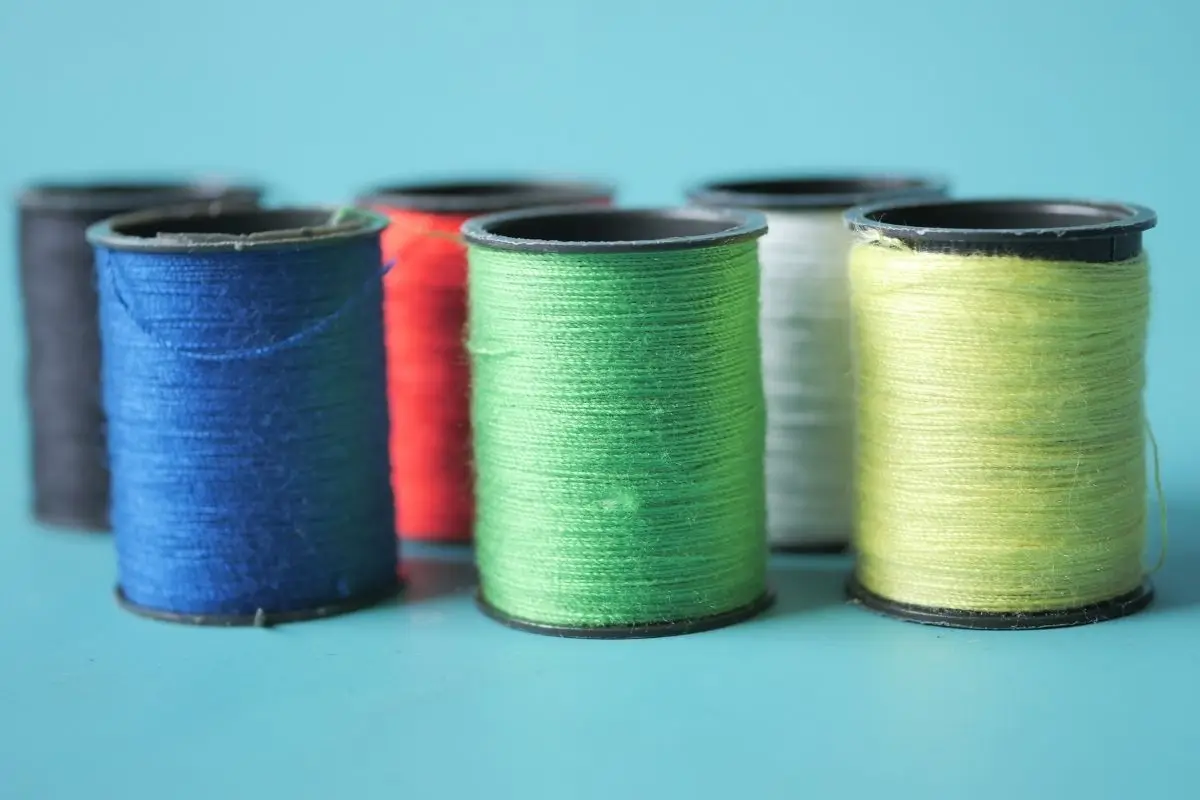

What is recycling polyester is a sustainable material obtained by reprocessing waste plastics. Also, the most common source is pet bottles. Therefore, it contributes to reducing environmental pollution. In this case, the need for raw materials is reduced. Furthermore, the recycling process saves energy. Therefore, the carbon footprint is reduced. In this way, more environmentally friendly production becomes possible. Furthermore, recycling polyester is widely used in the textile industry. Therefore, it is preferred in sportswear and home textiles. In this case, natural resources are preserved.Also, product quality is comparable to conventional polyester. Therefore, performance loss does not occur. In this way, user satisfaction is preserved. It is also a key solution for sustainability goals. Therefore, it is favored by brands. In this case, the understanding of environmentally friendly production becomes widespread. It is also a strong example for circular economy. Therefore, it plays an effective role in waste management.
Table of Contents
- Quality and Performance Characteristics of Recycled Polyester
- Impact of Recycling Polyester on Carbon Footprint
- Circular Economy and the Role of Recycling Polyester
- The Future of Recycled Polyester and Innovative Applications
- Conclusion
- Frequently Asked Questions
Quality and Performance Characteristics of Recycled Polyester

Recycling polyester is an environmentally friendly textile raw material characterized by its durability. It also has high strength properties. Therefore, it offers long-lasting use. In this case, it is preferred in sportswear and outdoor products. It also has high stretch and tear resistance. Therefore, it maintains its performance even under challenging conditions. In this way, product quality is not compromised. In addition, recycled polyester shows color retention ability. Therefore, fading and deformation are minimal. In this case, visual integrity is maintained. Furthermore, it provides lightness and breathability. Therefore, user comfort is prioritized. In this way, fashion and function are combined. Furthermore, the treated fibers have a uniform structure. Therefore, textile production becomes easier. In this case, yarn and fabric quality is standardized.
Impact of Recycling Polyester on Carbon Footprint

Recycling polyester consumes less energy in the production process. In addition, the use of fossil resources is minimal. Therefore, the environmental impact is lower than conventional polyester. In this case, carbon emissions are significantly reduced. Furthermore, the use of recycled materials reduces the need for raw materials. Therefore, natural resources are preserved. In this way, sustainable production is supported. In addition, greenhouse gas emissions are realized at lower levels. Therefore, it provides an advantage in the fight against climate change. In this case, the production process becomes greener. Furthermore, recycling polyester contributes to the circular economy. Therefore, waste can be recycled. This reduces the amount of garbage and the need for landfill. Moreover, recycling processes become more efficient with developing technologies.
Circular Economy and the Role of Recycling Polyester

The circular economy is a sustainable production model that reuses resources. It also aims to minimize waste generation. Therefore, recycling materials is of critical importance. In this case, recycling polyester plays a fundamental role. In addition, waste plastics are recycled back into the economy. Therefore, the need for raw materials and environmental pressure is reduced. In this way, the production-natural resource balance is maintained. Furthermore, product life is extended in the circular system. Therefore, consumption habits also change. In this case, sustainable consumption is encouraged. Furthermore, recycled polyester can be processed again and again. Therefore, the use cycle is extended. This contributes to zero waste targets. In addition, production processes are completed with less energy. Therefore, carbon emissions are also reduced.
The Future of Recycled Polyester and Innovative Applications

Recycled polyester is one of the rising material alternatives in the sustainability vision. In addition, production processes are constantly improving with innovative technologies. Therefore, quality and efficiency are increased. In this case, its areas of use are rapidly expanding. It can also be integrated with 3D printing and biotechnological textiles. Therefore, solution-oriented products are being developed in different sectors. In this way, functional and environmentally friendly products come to the fore. In addition, recycled polyester preference is increasing in the fashion industry. Therefore, environmental responsibility is integrated into brand identity. In this case, consumer awareness is also increasing. Furthermore, advanced separation systems support quality. Therefore, fiber purification processes are more efficient. In this way, performance loss is minimized. Furthermore, carbon negative production is targeted.
Conclusion
As a result, recycled polyester is a strategic material that paves the way for green production. In addition, it replaces traditional polyester with its high quality and performance properties. Therefore, its area of use in the textile industry is gradually expanding. In this case, it makes a significant contribution to reducing the carbon footprint. It also supports environmental sustainability by reducing energy consumption. Therefore, it plays a central role in circular economy practices. In this way, waste is transformed into valuable products. Furthermore, technological transformation is accelerated through innovative practices. Therefore, the future of recycling polyester looks promising. In this case, achieving sustainability goals becomes easier. Moreover, brands gain a competitive advantage with environmentally friendly production. In this way, recycled polyester will become indispensable in the textile industry of the future.
Frequently Asked Questions
What is recycling polyester? It is an environmentally friendly synthetic fiber obtained by reprocessing used plastics.
Is recycling polyester good quality? Yes, with the right production, it can be as durable and perform as conventional polyester.
In which areas is recycling polyester used? It is widely used in textiles, automotive, home textiles and technical fabrics.
Is the carbon footprint of recycling polyester reduced? Yes, since energy and resource consumption is reduced during its production, carbon emissions are reduced.
How does this material contribute to the circular economy? By reusing waste, consumption of natural resources and environmental pollution are reduced.
Is recycled polyester used in innovative applications? Yes, it is actively used in 3D textile printing, biotextiles and technical clothing.
Is this material enough for sustainable fashion? Although it is a strong step in terms of sustainability, it should be supported by a holistic approach.
Does recycling polyester microfiber create a problem? Yes, but new technologies are trying to reduce microplastic emissions.
Can recycled polyester be recycled again? Yes, the cycle can be continued by reprocessing with advanced systems.
What is the future of recycled polyester? It will continue to grow thanks to high demand, technological developments and environmental awareness.