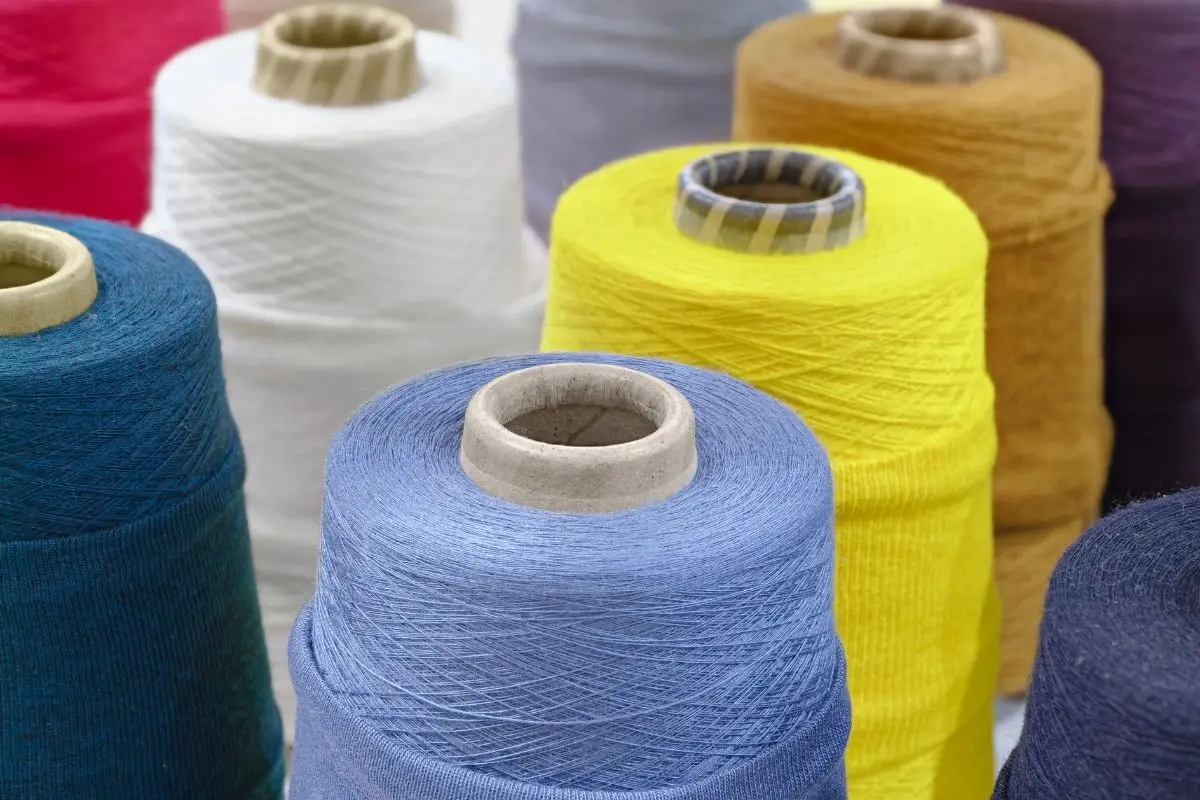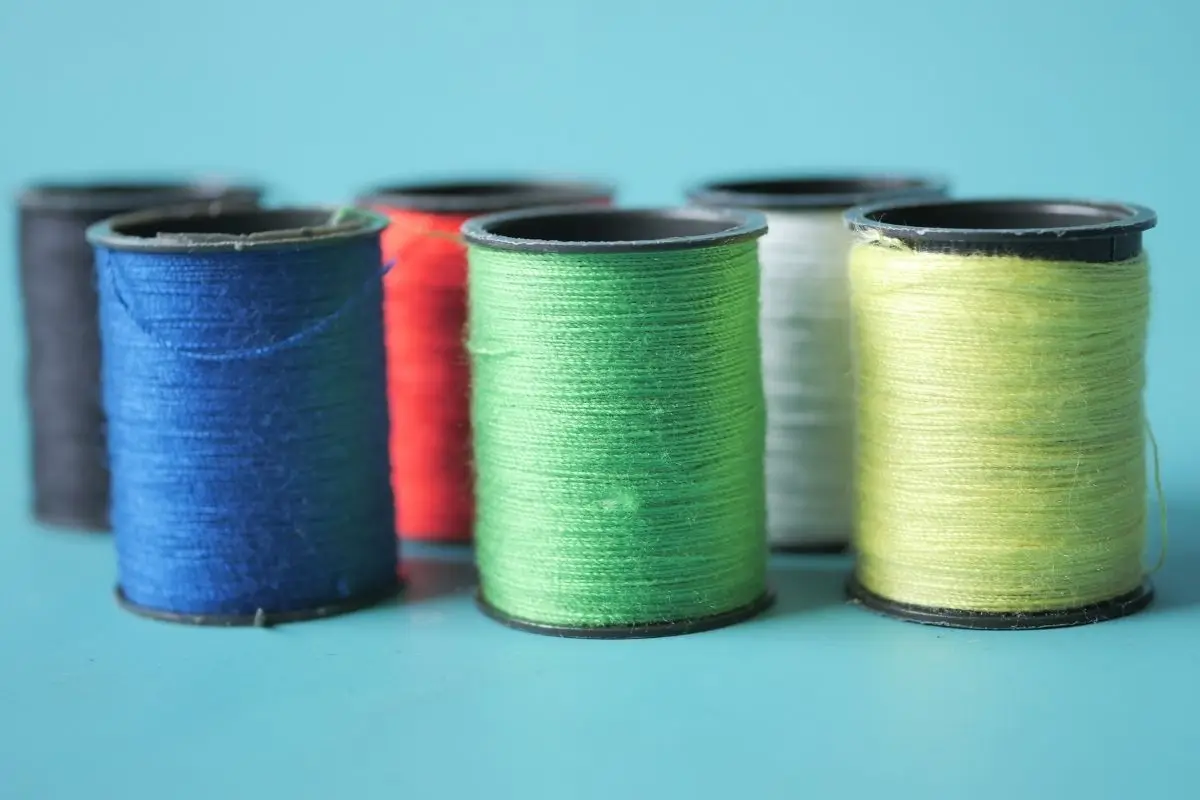

The polyester yarn production process consists of multiple stages, starting with raw material preparation. Additionally, PET granules are dried to make them suitable for production. Therefore, the moisture content of the granules must be carefully monitored. This way, quality loss during production can be prevented. Furthermore, the granules are melted and transformed into filament form using an extruder. Also, these filaments are cooled and solidified into a stable structure. In this case, the strength of the filaments is enhanced through the drawing process. Additionally, twisting is applied to the yarns to achieve the desired structure. Moreover, a heat treatment is performed to optimize the durability of the yarns. For this reason, stretch and shrinkage properties are adjusted at this stage. Furthermore, the yarns are wound onto bobbins to be prepared for shipment.
Contents
Melt Spinning Process
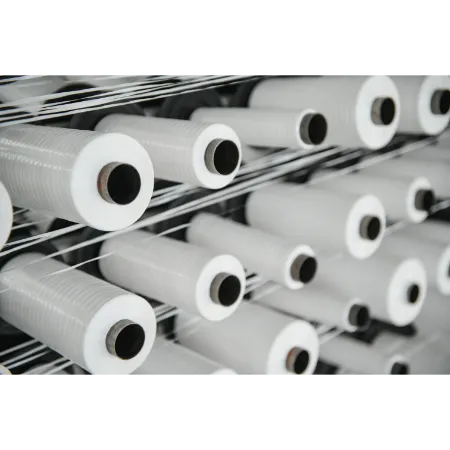
The melt spinning process is an essential technology used in synthetic yarn production. Additionally, this method is ideal for processing thermoplastic polymers. Therefore, polymer granules are first melted in a controlled manner. This way, the molten material becomes ready for the spinning stage. Furthermore, the molten polymers are passed through special molds called spinnerets. Moreover, spinnerets determine the diameter and shape of the yarns. In this case, the filaments are cooled and transformed into a solid structure. Additionally, a drawing process is applied to enhance the strength of the filaments. Furthermore, this process optimizes the durability and fineness of the yarns. For this reason, the speed and temperature of the spinning process must be carefully controlled.
Retouching
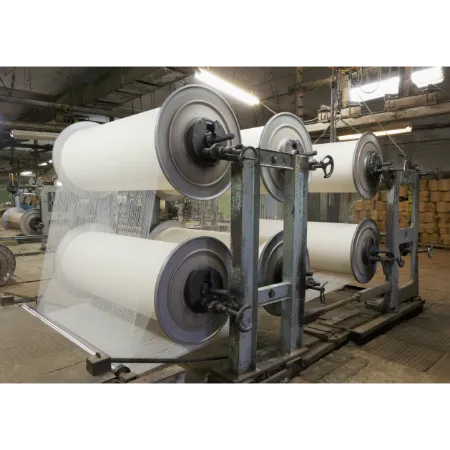
POY to DTY Conversion
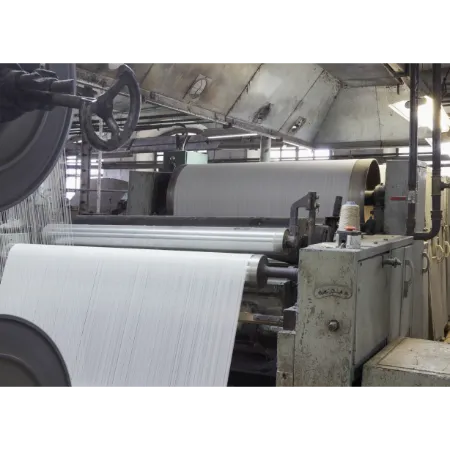
Retouching is the process of correcting defects and improving the aesthetic quality of a product. Additionally, it is an extremely important step to perfect the product’s appearance. Therefore, retouching processes require attention and expertise. This way, product quality and customer satisfaction can be enhanced. Furthermore, retouching is typically a process for correcting minor errors. Moreover, different techniques can be used to eliminate surface imperfections. In this case, selecting equipment suitable for the material type plays a critical role. Additionally, retouching can be performed using manual or automated methods. Furthermore, the method used may vary depending on the sensitivity of the product. For this reason, applying the correct techniques provides both time and cost advantages.
Twisting Process
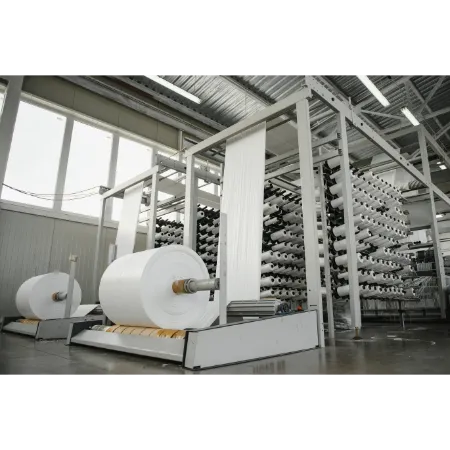
The twisting process is applied to enhance the strength of yarns and provide desired properties. Additionally, the durability and flexibility of the yarns are improved during this process. Therefore, the twist ratio and direction must be carefully determined. This way, yarns can be made suitable for various applications. Furthermore, the twisting process imparts both aesthetic and technical characteristics to the yarns. Moreover, it ensures that the yarns have a smooth and uniform structure. In this case, the twisting process plays a critical role in quality control. Additionally, twisting can be performed using manual or automatic machines. Furthermore, modern machines accelerate the production process and reduce error rates. For this reason, the use of technology offers significant advantages in twisting operations. Moreover, appropriate twisting techniques should be applied for different materials.
Hanking Process
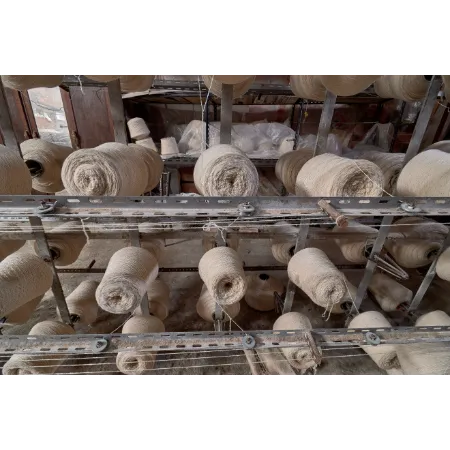
The hanking process involves winding yarns properly to ensure ease of use. Additionally, it is important for the yarns to have equal lengths and consistent tension. Therefore, the hanking process must be carried out carefully. This way, the quality of the yarns is preserved and they are prepared for subsequent processes. Furthermore, the hanking process is typically performed using manual or automatic machines. Moreover, selecting the right equipment for different types of yarns is essential. In this case, the material structure of the yarns should be handled with precision. Additionally, the hanking process provides advantages for dyeing and processing stages. Furthermore, proper winding of the yarns is crucial for achieving color uniformity. For this reason, the hanking process is a critical step in yarn processing. Additionally, this process ensures that the yarns are smooth and evenly organized.
Dyeing Process
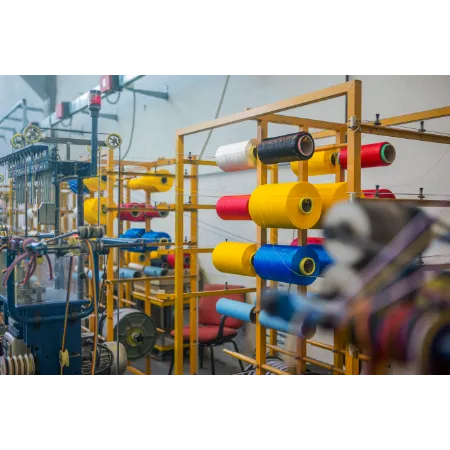
The dyeing process is a crucial step that gives textile products the desired color and aesthetic appearance. Additionally, the durability and color quality of the products are determined during this stage. Therefore, the correct dyeing techniques and materials must be used. This way, textile products meet high-quality standards. Furthermore, the dyeing process is typically carried out using various methods. Moreover, dyeing techniques can be applied to yarns, fabrics, or finished products. In this case, the characteristics of the material to be used should be considered. Additionally, color uniformity is of great importance during the dyeing process. Furthermore, the dye must penetrate the material evenly.
Winding Process
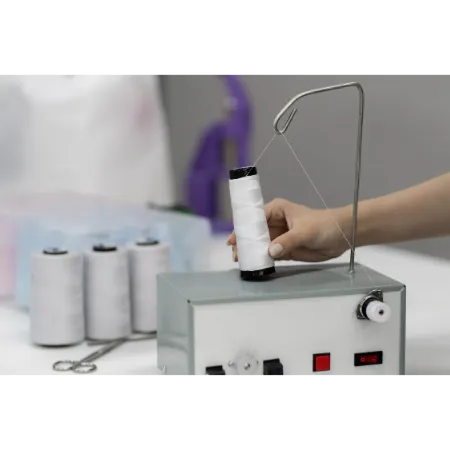
The winding process involves properly winding yarns onto bobbins to ensure ease of use. Additionally, this process is essential for preparing the yarns for subsequent production stages. Therefore, the tension and uniformity of the yarns must be carefully monitored. This way, the risk of yarn breakage and deformation can be minimized. Furthermore, the winding process is performed quickly and precisely using modern machines. Moreover, it is important to use winding techniques suitable for different types of yarns. In this case, the compliance of the yarns with quality standards is ensured. Additionally, the winding process facilitates the portability and storage of the yarns. Furthermore, the correct winding method should be chosen according to the size of the yarns. For this reason, the winding process is a critical stage in production workflows.
Conclusion
As a result, polyester yarn production requires a careful process, from raw material preparation to quality control. Moreover, each stage directly affects the quality and performance of the product. Therefore, the use of technological innovations and efficient production techniques is of paramount importance. In this way, both high quality and sustainable yarns can be achieved. In addition, choosing environmentally friendly production methods can make a difference in the industry. Moreover, meticulous management of processes increases customer satisfaction and competitive advantage. Therefore, a standards-compliant and innovation-oriented approach should be adopted in polyester yarn production.
Frequently Asked Questions
Why is temperature control during production essential? Temperature control is a critical factor for homogeneous melting of yarns and achieving the desired properties.
What are the stages in the polyester yarn production process? Raw material preparation, melting and extrusion, filament production, drafting, twisting and winding are the main stages.
What is done in the melting and extrusion stage? PET granules are melted into a melt and converted into filaments.
Why are the filaments subjected to the drawing process? The drafting process increases the strength of the filaments and ensures that the yarns have a homogeneous structure.
Why is polyester yarn subjected to twisting? Twisting is applied to give the yarn strength and flexibility.
How are environmentally friendly methods used in the production process? Energy-efficient machines, recyclable materials and waste management methods are preferred.
In which areas are polyester yarns used? It has a wide range of uses such as clothing, home textiles, industrial textiles and technical textiles.
Why do yarns break during production? Breakages are usually caused by incorrect tension settings, irregular raw materials or incorrect machine settings.
What are the advantages of polyester yarns? Durability, flexibility, low cost, light weight and moisture resistance are the main advantages of polyester yarns.
Is polyester yarn production sustainable? Sustainability can be achieved through the use of recycled PET and energy-efficient methods.