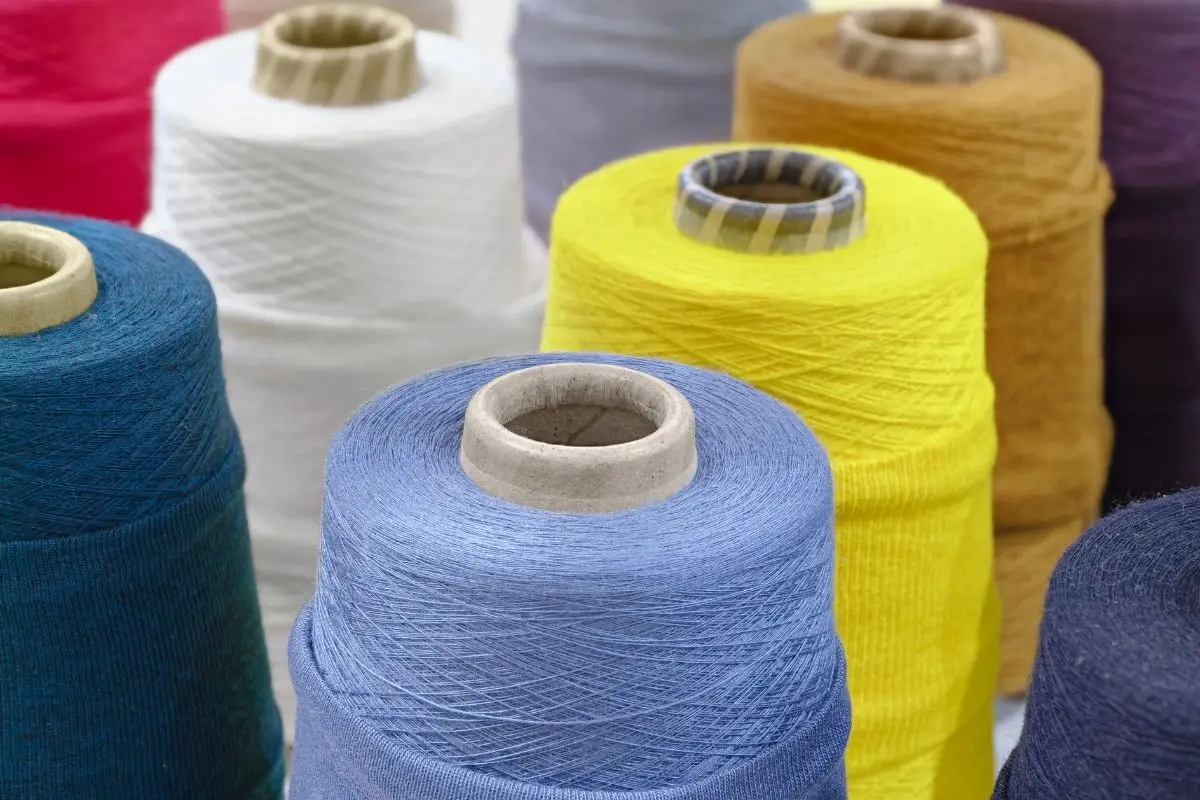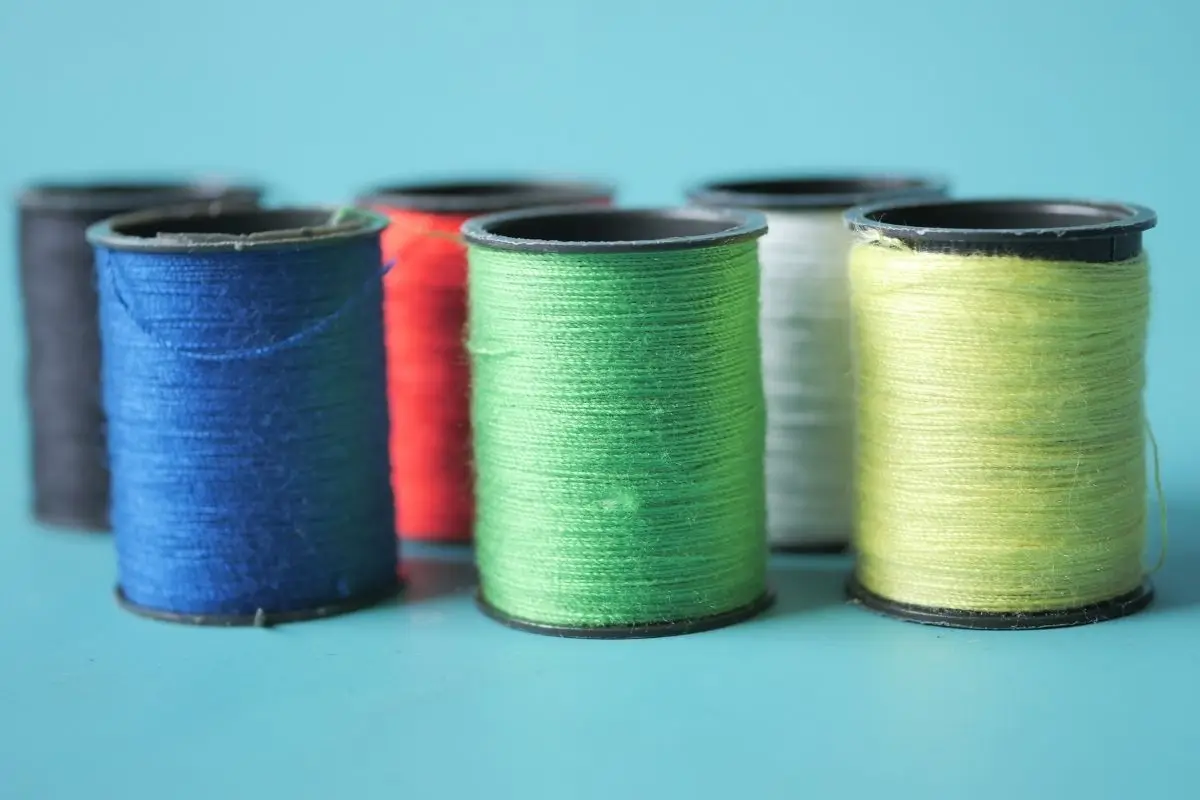

Nylon yarn manufacturers contribute to the textile industry by offering durable, flexible and long-lasting yarns. In addition, they develop products suitable for different industries by using quality raw materials. Therefore, it has a wide range of uses from sportswear to home textiles. In this case, environmentally friendly solutions with sustainable production techniques come to the fore. In addition, the amount of waste is reduced thanks to recyclable nylon yarns. In this way, the textile industry tries to minimize its environmental impact. Furthermore, water and energy consumption is reduced by using innovative technologies. Therefore, nylon yarn manufacturers achieve cost advantages by optimizing their production processes. In this case, customer satisfaction is ensured while increasing competitiveness. In addition, yarns produced in different thicknesses and textures are used in various sectors. Therefore, it is also widely used in technical textiles.
Contents
How Does Nylon Yarn Production Work?
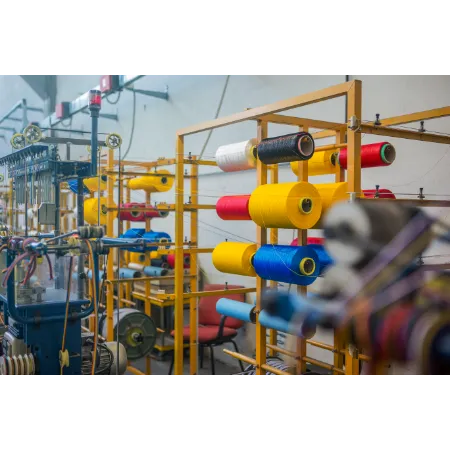
Nylon yarn production takes place by processing petrochemical raw materials. Moreover, nylon polymers are formed in the polymerization process. Therefore, the polymers obtained are melted and converted into yarn form. In this case, the molten polymers are passed through fine holes to obtain fibers. In this way, the cooled and solidified fibers become yarns. In addition, the yarns produced gain strength through the stretching process. Therefore, special coatings are applied to increase durability. In this case, the yarns are made suitable for textile and industrial use. In this way, brightness and elasticity properties can be improved. Furthermore, the properties of the yarn can be changed by adding different additives during the production process. For this reason, nylon yarns are widely used in various industries. In this case, they are preferred in textile, automotive and technical applications. In this way, water and chemical resistant yarns can be produced.
Raw Materials Used in Nylon Yarn Production
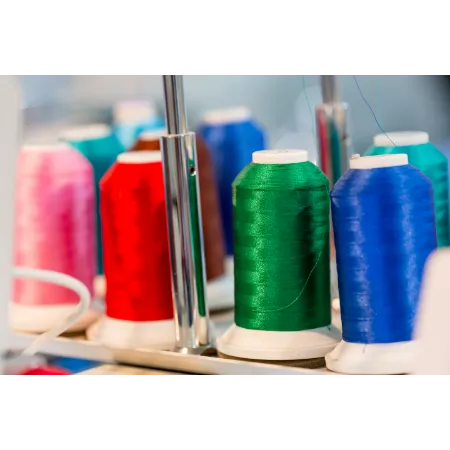
The raw materials used in the production of nylon yarn are derived from synthetic polymers. Moreover, one of the main components is the compound of adipic acid and hexamethylenediamine. Therefore, nylon 6 or nylon 6,6 polymers are formed by the polymerization process. In this case, the polymerization reaction takes place under high temperature and pressure. In this way, nylon granules or powdered raw materials are produced. Furthermore, lubricants and stabilizers are added during the production process. This increases the durability and flexibility of the yarns. In this case, special yarns are obtained with color pigments and UV protectors. In this way, different properties are imparted for textile and technical applications. In addition, recycled nylon raw materials support sustainable production. Therefore, yarns produced with environmentally friendly methods are becoming widespread. In this case, nylon yarns become lightweight, durable and long-lasting. In this way, water and chemical resistant yarns are produced.
Sustainable Nylon Yarn Production and Environmental Impacts
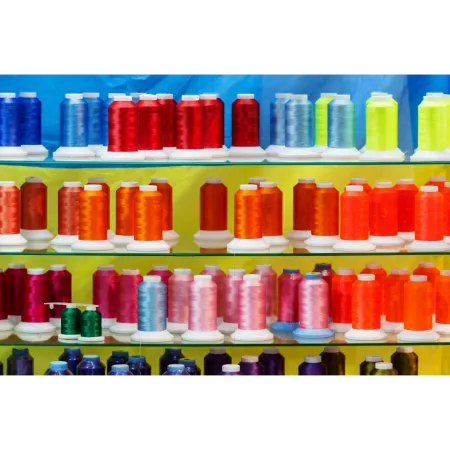
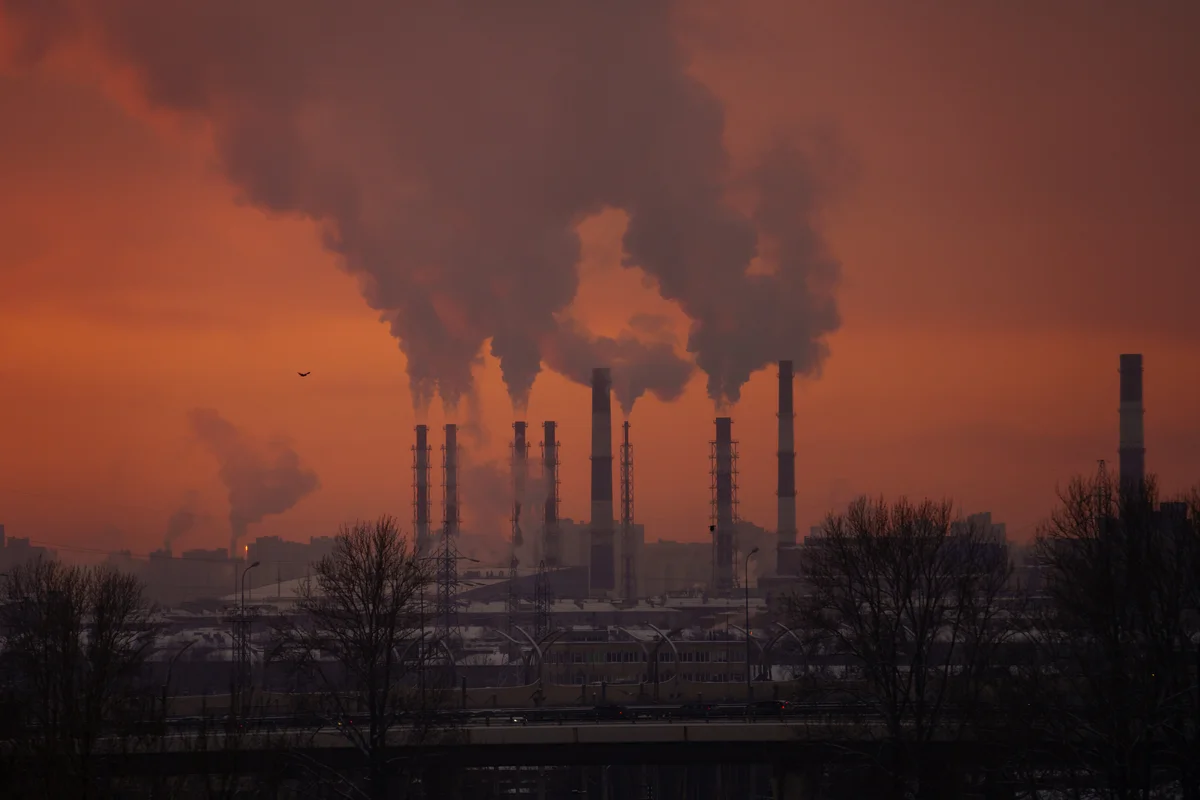
Sustainable nylon yarn production is achieved through innovative methods that minimize environmental impacts. In addition, the amount of waste is reduced by using recycled nylon raw materials. Therefore, production processes that reduce the carbon footprint are a priority. In this case, water and energy-saving techniques are becoming widespread. In this way, the emissions generated during production are brought under control. Furthermore, biobased polymers are among the sustainable alternatives. Therefore, yarns made from renewable raw materials offer an environmentally friendly option. In this case, the need for raw materials is reduced by recycling textile waste. In this way, the impact of nylon yarns on nature is minimized. Furthermore, production processes adopt methods that reduce the use of chemicals. Therefore, dyes and additives that do not harm the ecosystem are preferred. In this case, water resources are less polluted and environmental sustainability is ensured.
The Place of Nylon Yarn in Textile Industry
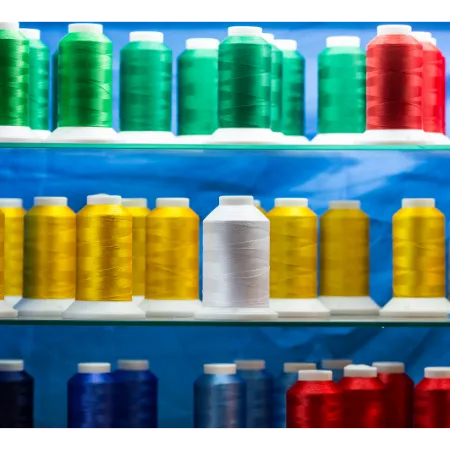
Nylon yarn has a wide range of uses in the textile industry. It is also preferred in the production of sportswear and active wear thanks to its durability. Therefore, it offers flexibility and lightness, enabling comfortable products to be designed. In this case, it is widely used in products that require flexibility such as socks, underwear and swimwear. In this way, fabrics that are long-lasting and keep their form are obtained. In addition, its resistance to water and chemicals also stands out in industrial textile applications. Therefore, it is frequently used in automotive, medical textiles and technical fabric production. In this case, tear-resistant textiles are produced with high tenacity yarns. In this way, it also plays an important role in sporting goods and military textiles. Furthermore, recyclable nylon yarns offer environmentally friendly alternatives. Therefore, they contribute to sustainable fashion. In this case, textile manufacturers comply with the principles of the circular economy by reducing environmental impacts.
Nylon Yarn Types Suitable for Industrial Use
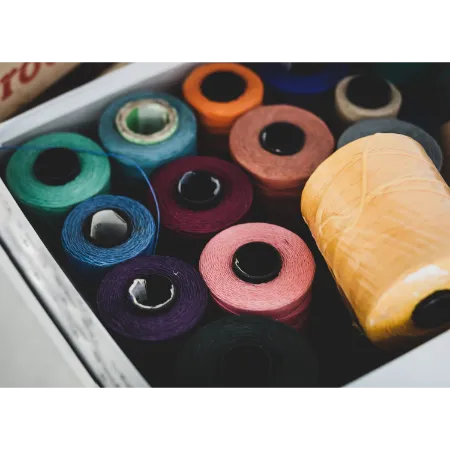
Nylon yarn types suitable for industrial use stand out with their high durability and flexibility. It also offers long-lasting solutions by resisting abrasion. For this reason, they are widely preferred in the automotive, aviation and construction industries. In this case, yarns with increased strength are used in safety equipment. In this way, parachute fabrics, ropes and military textiles exhibit high performance. Furthermore, heat and chemical resistant nylon yarns are used in industrial filtration systems. Therefore, it is among the materials that increase efficiency in production processes. In this case, nylon yarns also play a major role in technical textiles and protective clothing. In this way, safety equipment and fireproof fabrics become more effective. Furthermore, recyclable nylon yarns are an important alternative for sustainable production. Therefore, waste management is supported by developing environmentally friendly solutions.
Conclusion
Nylon yarn manufacturers offer high-performance and durable yarns for different industries. In addition, advanced production technologies increase the strength and flexibility of nylon yarns. Therefore, it is widely used in many fields such as automotive, aerospace, medical and textiles. In this case, recyclable nylon yarn types are being developed with a sustainable production approach. In this way, environmental impacts are reduced and resources are used more efficiently. In addition, Nylon Yarn Manufacturers are constantly raising industrial standards by offering innovative solutions. Therefore, nylon yarns have an important place in technical textiles and protective clothing. In this case, there are great advantages in terms of both economic and environmental sustainability. In this way, nylon yarns will continue to be an indispensable component of the industrial and textile sectors in the future.
Frequently Asked Questions
What is nylon yarn and how is it produced? Nylon yarn is a durable and flexible type of yarn made from synthetic polymers. In the production process, polyamide raw material is melted, formed into fibers and converted into yarn form.
In which sectors is nylon yarn used? Nylon yarn is widely used in many sectors such as textiles, automotive, medical, aerospace and sportswear. It is also preferred in industrial and technical textiles due to its high strength and flexibility.
Is nylon yarn sustainable? Yes, recyclable nylon yarns are produced to reduce their environmental impact. Recycled nylon is obtained by reprocessing waste materials and contributes to sustainable production.
How do nylon yarn manufacturers determine pricing? Raw material costs, energy consumption, production processes and demands in export markets play a decisive role in pricing.
Which quality standards do nylon yarn manufacturers comply with? Nylon yarn manufacturers comply with international quality standards regarding durability, flexibility and environmentally friendly production processes. There are manufacturers with certifications such as ISO 9001, OEKO-TEX and GRS.
What factors affect nylon yarn prices? Raw material prices, technology used in the production process, yarn weight, quality and market demands directly affect nylon yarn prices.
Why is nylon yarn preferred in sportswear production? Nylon yarns are light, durable and flexible. It is also an ideal material for sportswear and performance textiles as it has fast drying properties.
Which raw materials are used in nylon yarn production? Generally, polyamide 6 and polyamide 6.6 raw materials are used. In addition, raw materials from recycled plastic waste are also preferred for sustainable production.
Can nylon yarns be recycled? Yes, nylon yarns can be recycled and incorporated back into production processes. This helps to reduce textile waste and support the circular economy.
Do nylon yarns harm the environment? The production of conventional nylon yarns can increase energy and water consumption. However, the use of recycled nylon yarns reduces environmental impacts and supports sustainable production.