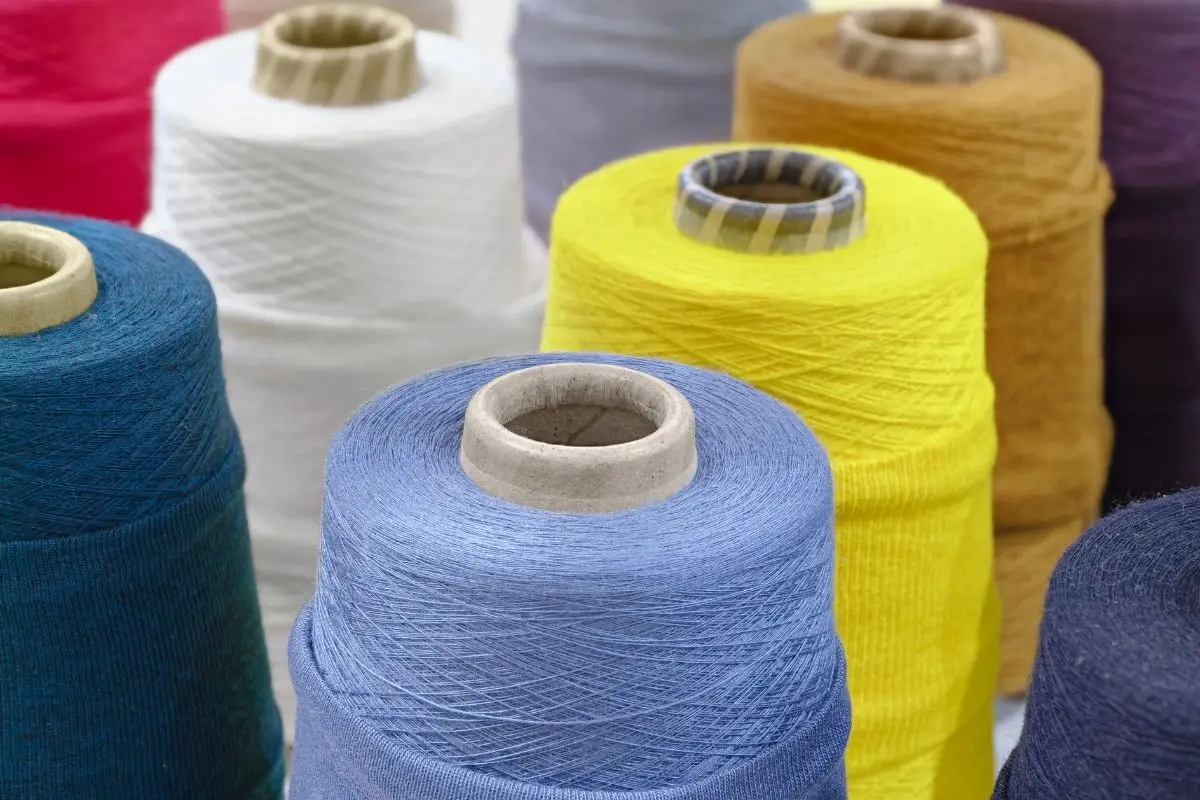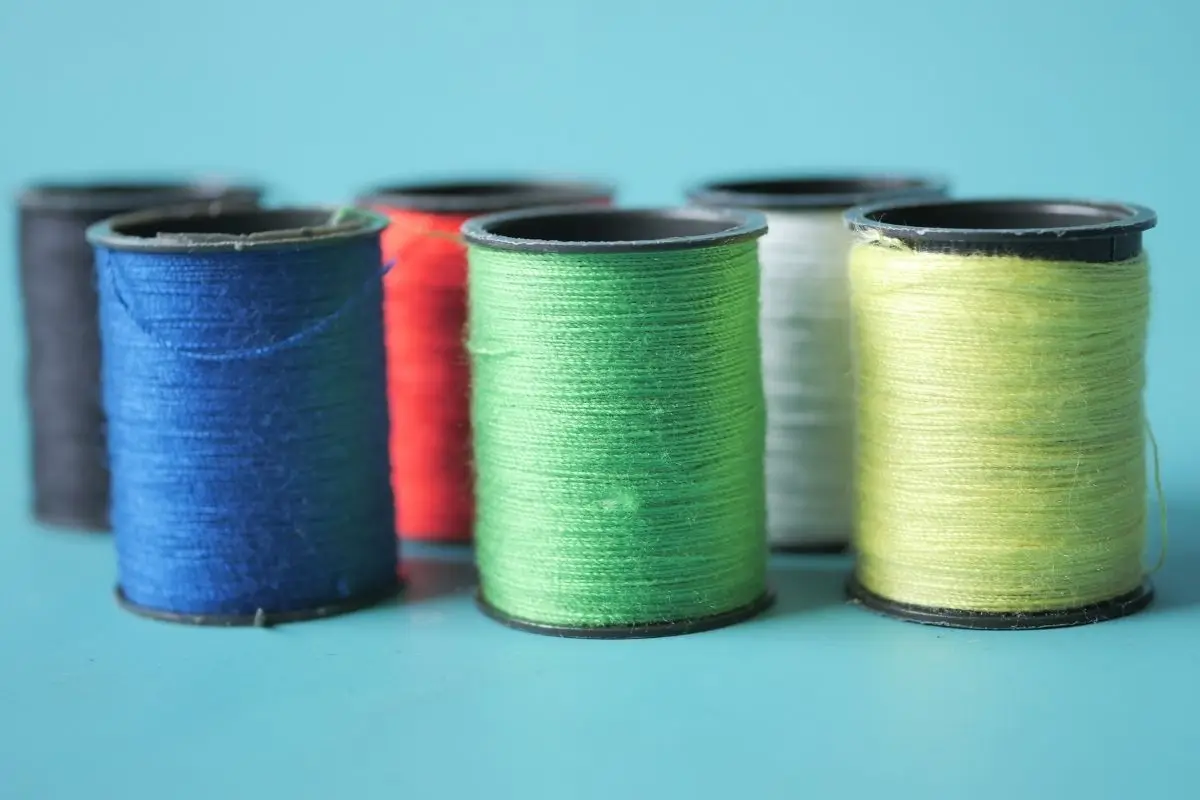
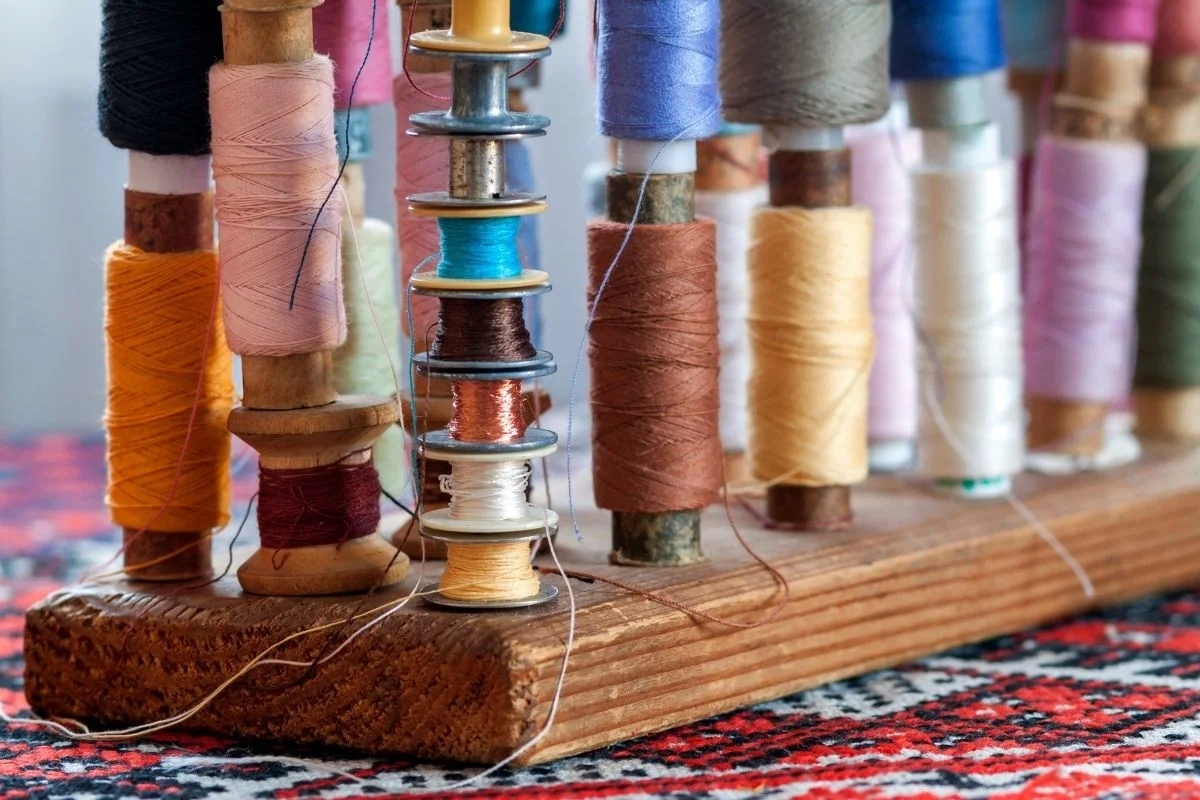
Cotton yarn is the basic raw material of the textile industry with its natural and versatile properties. It also stands out with its high durability and breathability. Therefore, it is preferred to provide comfort and long-lasting use. In this way, it is used in a wide range of areas from clothing to home textiles. Moreover, cotton yarn increases user comfort thanks to its moisture absorption feature. In this case, it provides comfort even in hot and humid environments. Moreover, manufacturers process cotton yarn with different techniques thanks to its easy-to-process structure. Therefore, it offers flexibility in various product designs.
Contents
Cotton Yarn Thicknesses

Cotton yarn is the basic raw material of the textile industry with its natural and versatile properties. It also stands out with its high durability and breathability. Therefore, it is preferred to provide comfort and long-lasting use. In this way, it is used in a wide range of areas from clothing to home textiles. Moreover, cotton yarn increases user comfort thanks to its moisture absorption feature. In this case, it provides comfort even in hot and humid environments. Moreover, it is suitable for different weaving and knitting techniques with its easy-to-process structure. Therefore, it offers flexibility in various product designs.
What is Cotton Yarn Quality?

Cotton yarn quality is evaluated by yarn durability, softness and suitability for the intended use. In addition, fiber length and evenness are key determinants of quality. Therefore, cotton yarns with long fibers offer more durable and smoother products. In this way, quality yarns both increase user satisfaction and extend product life. In this case, smooth yarns provide better performance during sewing and weaving. Furthermore, cotton yarn quality also depends on its color retention capacity. Therefore, high quality yarns offer brighter and more durable colors.
Properties of Cotton Fiber

Cotton fiber has a wide range of uses in the textile industry with its natural structure and unique properties. It also provides comfort as it has a breathable structure. Therefore, it is preferred for its ability to keep cool in hot weather. In this way, cotton fiber is widely used in clothing products. It is also skin-friendly with its high moisture absorption capacity. In this case, it stands out as an ideal material for sensitive skin. Moreover, thanks to its durable structure, it is possible to produce long-lasting products. Therefore, cotton fiber raises the quality standards of textile products. Furthermore, cotton fiber is an environmentally friendly and biodegradable material.
Where is Cotton Yarn Used?

Cotton yarn has a wide range of uses in the textile industry with its versatile structure. In addition, thanks to its soft and durable structure, it is frequently preferred in daily clothes. For this reason, it is widely used in t-shirts, shirts and underwear products. In this way, products that offer both comfort and durability are obtained. Cotton yarn also has an important place in home textiles. In this case, it is preferred in the production of products such as bed linen, towels and curtains. Therefore, it provides comfort to the user with its sweat absorbent structure.
How is Cotton Yarn Obtained?

Cotton yarn is produced by processing the fibers obtained from the natural cotton plant. In addition, cotton picking is carried out first for yarn production. Therefore, the choice of quality cotton directly affects the durability of the product. In this way, the desired quality standards are achieved in yarn production. In addition, the picked cotton is subjected to cleaning and ginning processes. In this case, the fibers are cleaned of seeds and foreign matter. Furthermore, the resulting pure cotton fibers are arranged and bundled together. Therefore, it becomes possible to produce yarn of uniform and equal quality.
Conclusion
Cotton yarn is produced by processing the fibers obtained from the natural cotton plant. In addition, cotton picking is carried out first for yarn production. Therefore, the choice of quality cotton directly affects the durability of the product. In this way, the desired quality standards are achieved in yarn production. In addition, the picked cotton is subjected to cleaning and ginning processes. In this case, the fibers are cleaned of seeds and foreign matter. Furthermore, the resulting pure cotton fibers are arranged and bundled together. This makes it possible to produce yarn of uniform and equal quality. Furthermore, the fibers are thinned and twisted into yarn by spinning machines.
Frequently Asked Questions
What is polyester yarn? Polyester yarn is a type of synthetic yarn derived from petroleum derivatives. It is durable, flexible and cost-effective.
What is yarn made from flax? Linen yarn is a natural yarn derived from the flax plant. It is known for its durability and breathability.
What is wool yarn? Wool yarn is a natural yarn made from the hair of sheep or other animals. It is known for its thermal insulation and softness.
What is silk thread? Silk yarn is a natural and luxurious type of yarn derived from silkworms. It is known for its shine and smooth texture.
What is nylon yarn? Nylon yarn is a strong and lightweight type of yarn made from synthetic polymers. It stands out with its flexibility and durability.
Where is bamboo yarn used? Bamboo yarn is used in children’s wear, underwear, bedding and sportswear.
What is viscose yarn? Viscose yarn is a semi-synthetic yarn derived from cellulose. It has a shiny and silky appearance.
What is denim yarn? Denim yarn is a strong yarn, usually made from a blend of cotton and polyester. It is used in the production of denim fabric.
What is acrylic yarn? Acrylic yarn is a synthetic yarn, similar to wool yarn in that it is light and warm.
Where is blended yarn used? Blended yarn is used in apparel, home textiles and industrial applications. It provides both durability and flexibility.