
Contents
Polished Cotton Yarn
Cotton Yarn Types
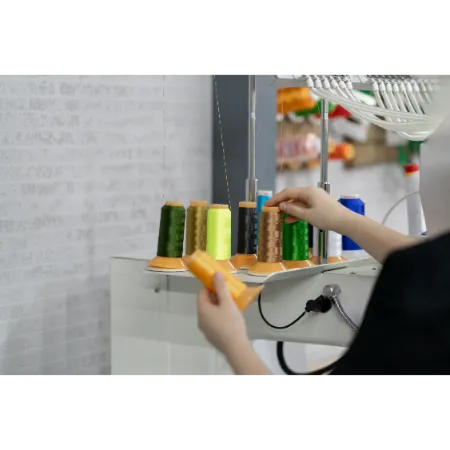
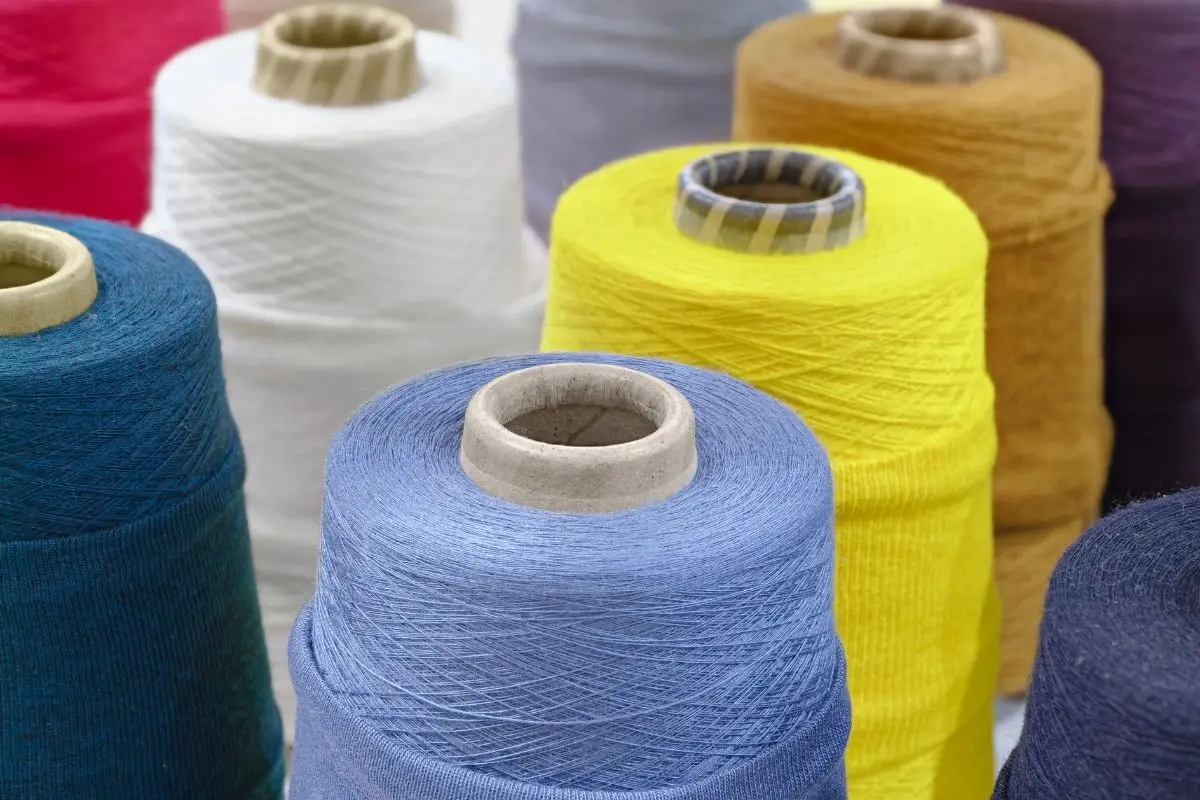
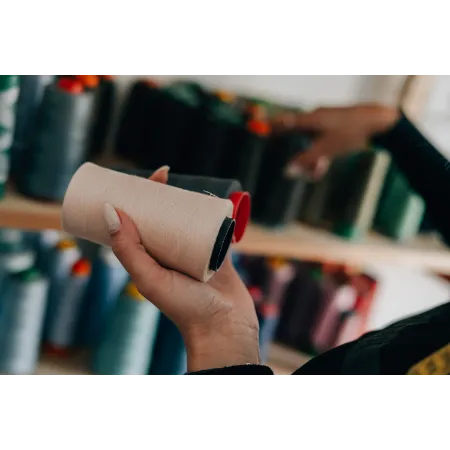
Cotton yarn types are produced to meet various needs in the textile industry. Additionally, these yarns exhibit different characteristics depending on their usage areas. Therefore, organic, mercerized, and polished cotton yarn types are widely preferred. In this case, organic cotton yarn is produced naturally without chemical processing. Moreover, mercerized yarn has a shinier and more durable structure. For this reason, mercerized cotton yarn absorbs dye better, providing vibrant colors. Additionally, polished cotton yarn offers a soft and smooth texture. In this case, it is possible to enhance fabric durability and achieve an aesthetic appearance. Furthermore, combed cotton yarn stands out for its long and fine fibers. Therefore, combed yarn is used in softer and more durable textile products. Additionally, mako cotton yarn is obtained from high-quality cotton fibers.
How to Wash Organic Cotton Yarn
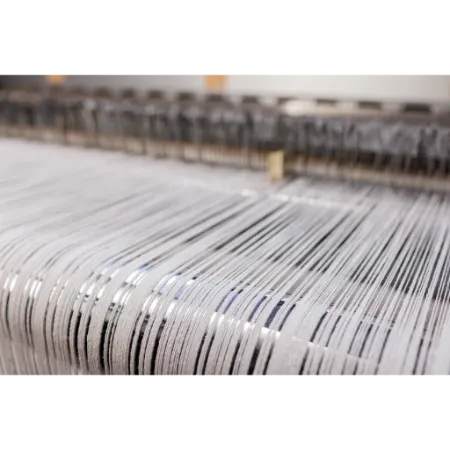
Textile products made from organic cotton yarn require delicate washing processes. Additionally, it is important to wash them at low temperatures to preserve their natural fiber structure. Therefore, a water temperature between 30-40 degrees is considered ideal. In this case, it is necessary to avoid strong detergents and prefer natural cleaning products. Moreover, bleach and chemical-based products can damage the texture of organic cotton yarn. For this reason, the use of fabric softeners during washing should be limited. Additionally, turning organic cotton products inside out during washing helps preserve their color and texture. In this case, the spinning process in the machine should be done at a low speed. Furthermore, it is recommended to avoid direct sunlight during drying. Therefore, organic cotton products should be dried using natural methods. In this way, the durability and softness of the yarn can be maintained. Additionally, it is advised to iron them at a low temperature after washing.
Properties of Organic Cotton Yarn
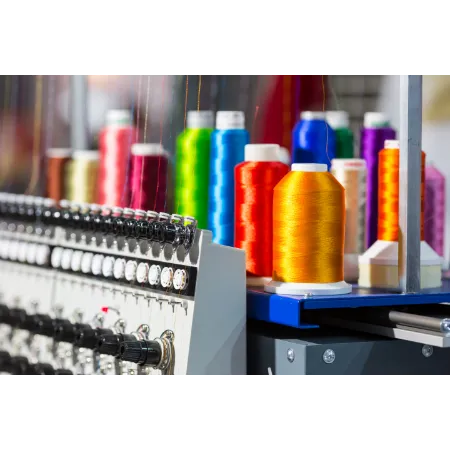
Organic cotton yarn is an ideal choice for eco-friendly and healthy textile products. Additionally, it is produced from cotton grown without the use of chemical fertilizers and pesticides. Therefore, organic cotton yarn is skin-friendly and reduces the risk of allergies. In this case, it becomes a safe choice for baby clothing and sensitive skin. Moreover, its natural fiber structure provides a breathable and non-sweaty texture. For this reason, it is frequently used in summer clothing and underwear products. Additionally, organic cotton yarn enables the production of durable and long-lasting textile products. In this case, it retains its shape and texture even after frequent washing. Furthermore, organic yarn absorbs dye better, preserving vibrant colors for a longer time. Therefore, textile products made from organic cotton yarn are resistant to color fading.
Advantages of Organic Cotton Yarn
Conclusion
Organic cotton yarn holds a significant place in the textile industry due to its eco-friendly production processes and contributions to human health. Additionally, producers aiming to contribute to the future prefer this option. Therefore, the use of organic yarn has become a valuable choice for both individual consumers and brands. In this case, it is possible to produce higher-quality and more durable textile products thanks to the advantages of organic cotton yarn. Moreover, companies aiming to reduce environmental impacts and lower their carbon footprint are turning to organic yarns. In this way, a production model is supported that not only protects nature but also ensures consumers have access to healthy products.
Frequently Asked Questions
What is organic cotton yarn? Organic cotton yarn is an environmentally friendly yarn produced without the use of chemical fertilizers and pesticides.
What are the advantages of organic cotton yarn? This type of yarn is a skin-friendly, durable and environmentally friendly material. It is also resistant to color fading.
In which textile products is organic cotton yarn used? This yarn is frequently used in baby clothes, underwear, sportswear and summer clothes.
How should products made from cotton yarn be stored? These products should be stored in a cool and dry environment, away from direct sunlight.
How to wash products made from organic cotton yarn? These products should be washed at low temperatures and with natural cleaning products. Also, the use of bleach should be avoided.
Does organic cotton yarn cause allergies? No, organic cotton yarn minimizes the risk of allergies as it does not contain chemicals.
Is organic cotton yarn long-lasting? Yes, organic cotton yarn has a durable structure and maintains its form against frequent washing.
In which seasons is cotton yarn preferred? Cotton yarn can be used in four seasons as it has a breathable structure. It is especially preferred for summer clothes.
What is the difference between organic cotton yarn and conventional yarn? Organic yarn is chemical-free, environmentally friendly and not harmful to human health. Conventional yarn can be treated with chemicals.
Why is it important to use organic cotton yarn? This type of yarn supports sustainability by providing positive impacts on both human health and the environment.