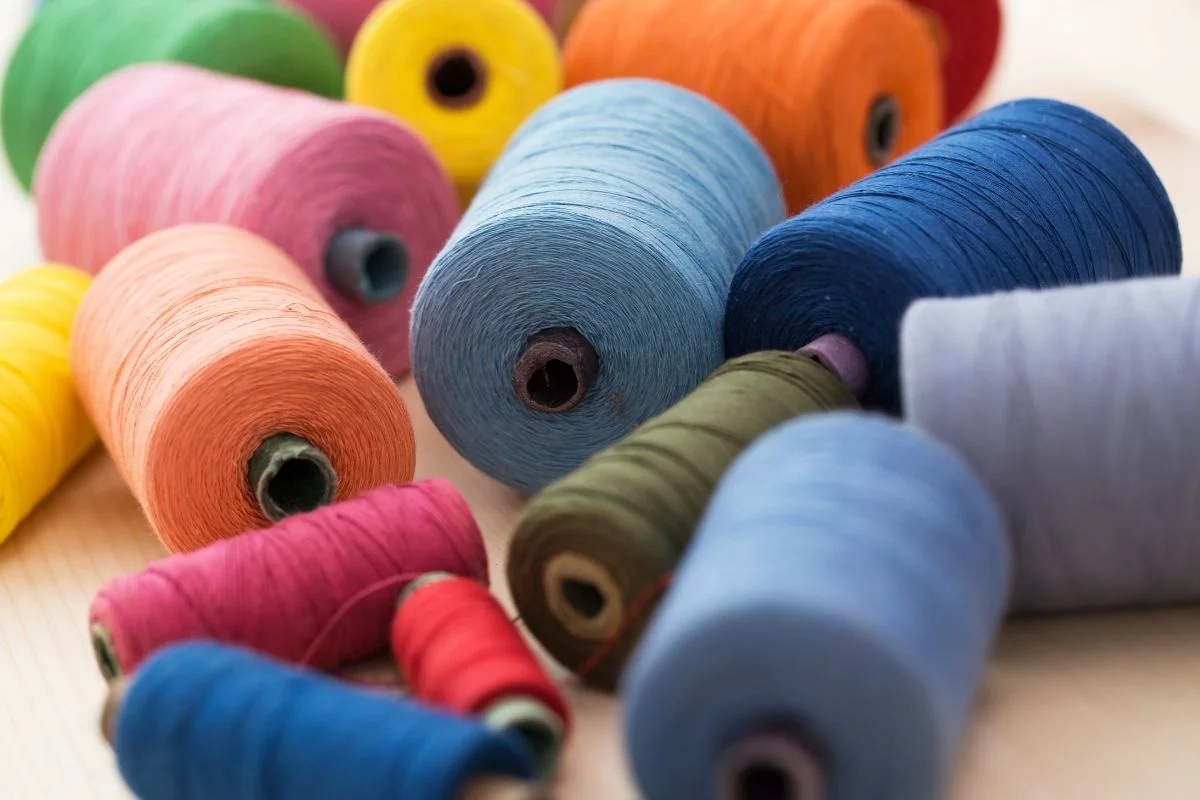
Recycled polyester yarn has been prioritized for environmentally friendly and sustainable textile production. In addition, plastic wastes are re-evaluated in the recycling process. It is also transformed into yarn form. Therefore, it contributes to reducing environmental waste and saving resources. Arya İplik makes a difference with innovative production techniques in this field. In this case, the quality and durability of recycled polyester yarns increases. In addition, these yarns offer a sustainable production process by saving energy and water. In this way, the carbon footprint is reduced. In addition, environmentally friendly products are produced.
Contents
What is Polyester?
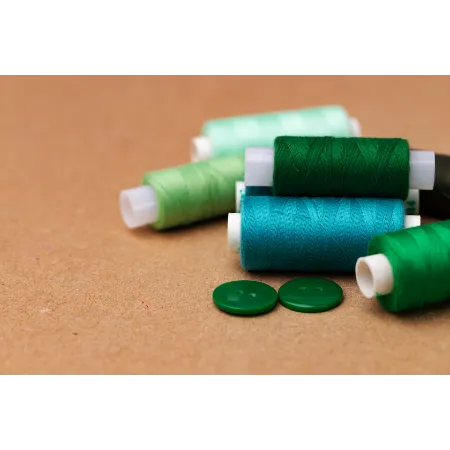
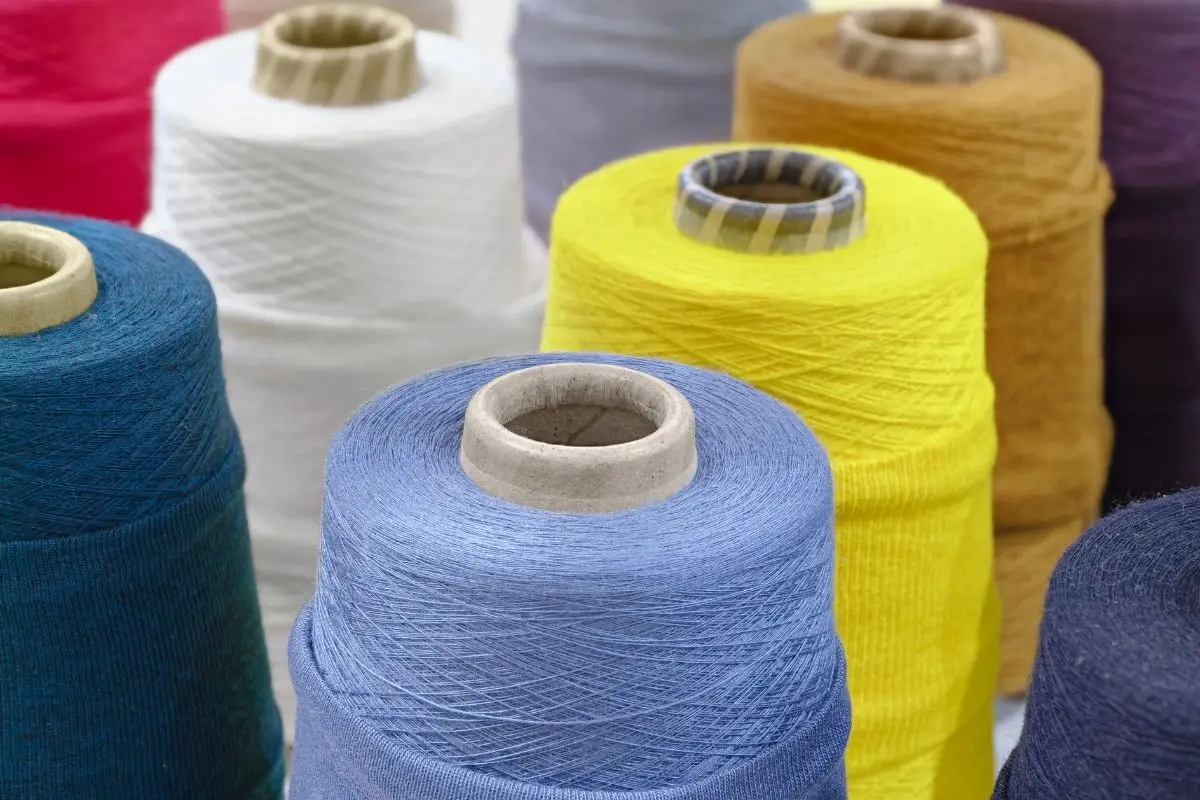
Polyester is a durable and versatile material made from a synthetic polymer. It is also a type of fiber frequently used in the textile industry. Therefore, it is preferred for its properties such as flexibility, lightness and durability. In the production of polyester, fibers are formed using petroleum derivatives. In this way, a high-strength and long-lasting material is obtained. Arya İplik makes a difference in the sector with its high quality polyester yarn production. It also applies environmentally friendly production processes using modern technologies.
How is Recycled Polyester Yarn Produced?
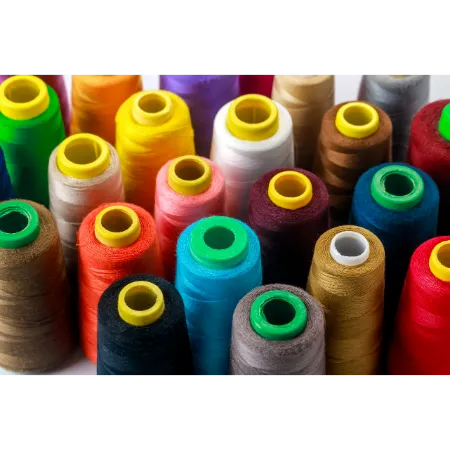
Recycled polyester yarn is an environmentally friendly material produced by recycling plastic waste. We also use recycled PET bottles as the basic raw material in the production process. Therefore, we prevent plastic waste from harming nature. In the first step, we clean and sort the collected plastics and make them ready for processing. Then, we grind the plastic waste into small particles and turn it into granules. In this case, we move on to the next stage of the recycling process. We melt the granules at high temperature and turn them into liquid. We also extract this liquid in the form of yarn in special machines. Therefore, recycled polyester yarns have a durable and flexible structure.
Characteristics of Recycled Polyester Yarn
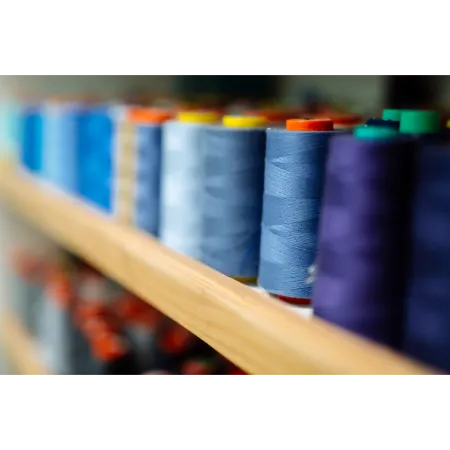
Recycled polyester yarn is a product that attracts attention with its durability and environmentally friendly structure. In addition, it offers comfortable use thanks to its light weight and has a long service life. Therefore, it has become both an aesthetic and functional choice in the textile industry. Yarn provides ease of maintenance as it is resistant to wrinkling. In this case, it offers a practical alternative for users. In addition, it is preferred in water-resistant products thanks to its fast drying feature. offers advantages in the production process by saving water and energy. It also helps reduce the carbon footprint and is environmentally friendly.
Application Areas of Polyester Yarn
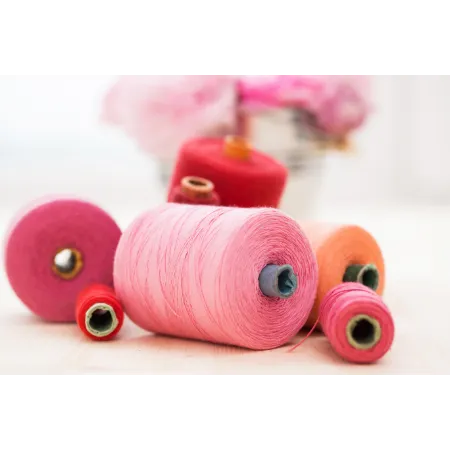
Polyester is used in many fields thanks to its durability and versatility. It is also one of the most widely preferred synthetic fibers in the textile industry. Therefore, it plays an important role in fashion, home textiles and industrial products. Polyester fabrics are used in outerwear due to their water resistance and fast drying properties. In this case, it becomes an ideal material for sportswear and outdoor equipment. It is also preferred in products that do not require ironing thanks to its wrinkle-resistant structure.
Disadvantages of Polyester Yarn
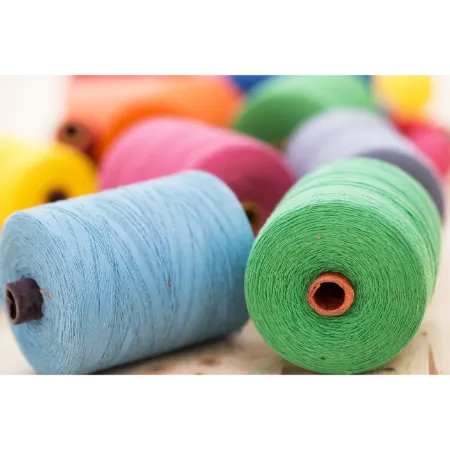
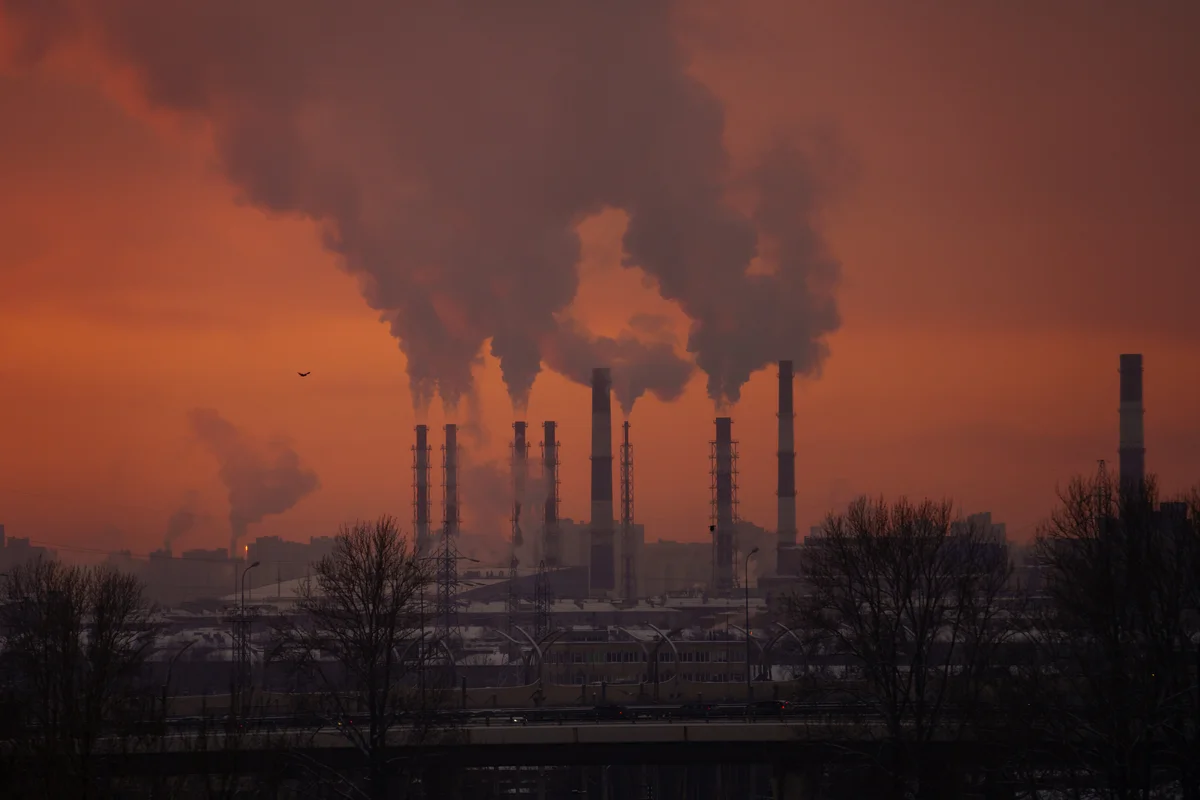
Polyester yarn, although durable and useful, has some disadvantages. It also has environmental impacts as petroleum derivatives are used in its production. Therefore, it should be used carefully in terms of sustainability. Polyester yarn can harm the environment by releasing microplastics. It is also not easily biodegradable. In this case, it can increase the risk of environmental pollution. It also offers a less breathable structure on the skin compared to natural fibers. Therefore, it can cause problems in terms of comfort in hot weather. In this case, cleaning and maintenance of products can become difficult. Polyester yarn can increase perspiration due to its low moisture absorption capacity. Therefore, it offers a less comfortable use compared to natural fibers.
Conclusion
Polyester yarn is a material that attracts attention with its durability, lightness and versatile usage areas. It also offers environmentally friendly production options with its recycling processes. Therefore, it plays an important role for sustainability goals in the textile industry. However, microplastic release and its environmental impacts should be carefully considered. In this case, conscious production and use can minimize environmental damages. In addition, polyester yarn contributes to the understanding of circular economy with its recyclable structure.
Frequently Asked Questions
What is polyester yarn? Polyester yarn is a durable and flexible type of yarn made from a synthetic polymer.
Where is polyester yarn used? It is used in many areas such as fashion, home textiles, sportswear, industrial products and packaging.
How is recycled polyester yarn produced? Plastic waste is cleaned, granulated and melted into yarn.
Is polyester yarn environmentally friendly? Recycled polyester yarn offers an environmentally friendly alternative and reduces waste.
What are the advantages of polyester yarn? Lightweight, durable, wrinkle-free, fast drying and long lasting.
What is elastane yarn? Elastane yarn is a yarn with high elasticity, often used in stretch garments.
Why should polyester yarn be recycled? Recycling reduces plastic waste, saves energy and supports sustainability.
What is carbon yarn? Carbon yarn is a yarn resistant to high temperatures, often used in industrial and technical textiles.
Can polyester yarn be recycled? Yes, it can be recycled and this process reduces environmental impacts.
Is polyester or cotton better? Polyester is durable and lightweight, while cotton is breathable and natural; it depends on the use.