
While conventional cotton production can harm the environment due to the use of pesticides and chemical fertilizers, organic cotton production aims to minimize this damage. Thanks to these properties, bamboo yarns provide a hygienic and comfortable use in textile products.
Table of Contents
- What is Sustainable Yarn
- Sustainable Yarn Production: Ways to Conserve Natural Resources
- The Best Yarn Options for Sustainable Weaving and Knitting
- What is Sustainability in Textiles
- Why Sustainability Matters
What is Sustainable Yarn
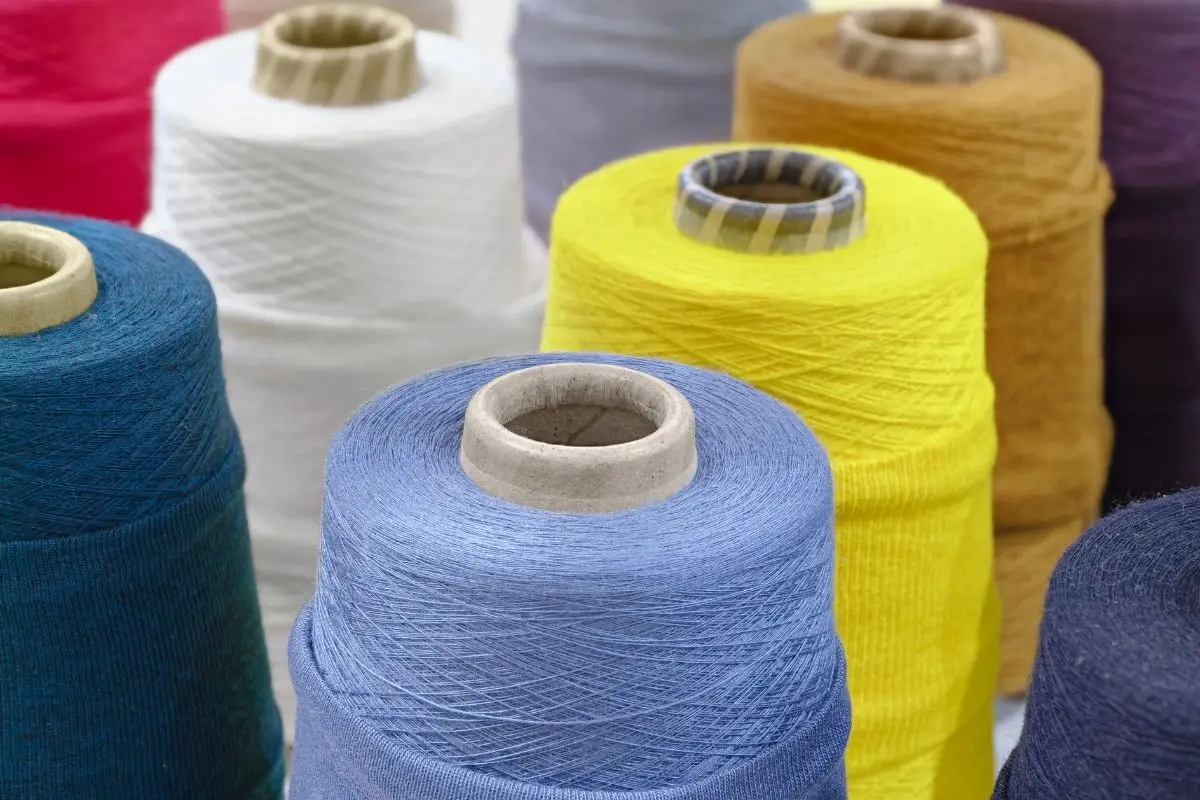
Sustainable yarns stand out as an environmentally friendly option in the textile industry. These yarns are usually made from organic cotton, bamboo, linen or recycled materials. Organic cotton is grown without the use of chemical fertilizers and pesticides, so it does not harm the environment. Bamboo yarns are derived from bamboo, a fast-growing plant, and have naturally antibacterial properties. Thanks to these properties, bamboo yarns are hygienic and comfortable to wear. Linen yarns are derived from the flax plant and have a durable structure. Yarns made from recycled materials reduce environmental impact by reusing waste. Sustainable yarns help reduce environmental impacts and conserve resources in the textile industry. Therefore, sustainable yarns are becoming a preferred choice for environmentally conscious consumers.
Sustainable Yarn Production: Ways to Conserve Natural Resources
Sustainable Yarns aims to conserve natural resources in the production of materials and achieves this goal in various ways. Measures are also taken to prevent soil erosion. Reducing the use of chemicals ensures that harmful substances are minimized, reducing the risk of harm to the environment and human health. Recycling and waste management are also important, contributing to the conservation of natural resources by recycling or properly managing waste.
The Best Yarn Options for Sustainable Weaving and Knitting

Arya İplik brand produces yarns from environmentally friendly materials. Organic cotton yarns are obtained from cotton plants grown without the use of pesticides. Bamboo yarns are obtained from the rapidly growing and easily cultivated bamboo plant. Yarns made from recycled materials are produced by reusing waste materials. Thanks to these features, Arya Iplik‘s yarns offer an ideal option for producing long-lasting and useful textile products.
What is Sustainability in Textiles
Sustainability in textiles. It refers to minimizing environmental impacts from the production to the consumption of textile products. This approach is based on conserving natural resources or reducing waste and ensuring fair working conditions. Textile products made from recycled materials reduce environmental impacts by reusing waste.
Sustainability also means protecting the rights of workers in the textile industry and ensuring fair working conditions. This requires respect for workers’ health and well-being and respect for human rights.
Why Sustainability Matters
Sustainable yarns, given that natural resources are limited, sustainability becomes important. Sustainability requires meeting the needs of future generations or using today’s resources in a balanced way. Therefore, sustainability is necessary to maintain the balance of nature. Furthermore, sustainability is also important from an economic point of view. Furthermore, sustainability is also important for society. In this way, steps can be taken to improve everyone’s quality of life or for a better future. In conclusion, sustainability is a necessity for both the environment and humanity. Therefore, it is everyone’s responsibility to adopt and implement the principles of sustainability.
Conclusion
Sustainable yarn production aims to conserve natural resources and achieves this goal in various ways. Water-saving production methods prevent water waste and soil erosion. Reducing chemical use minimizes environmental and health risks. Recycling and waste management conserve resources, and social responsibility is integral. Respecting employee rights and ensuring fair working conditions are key.